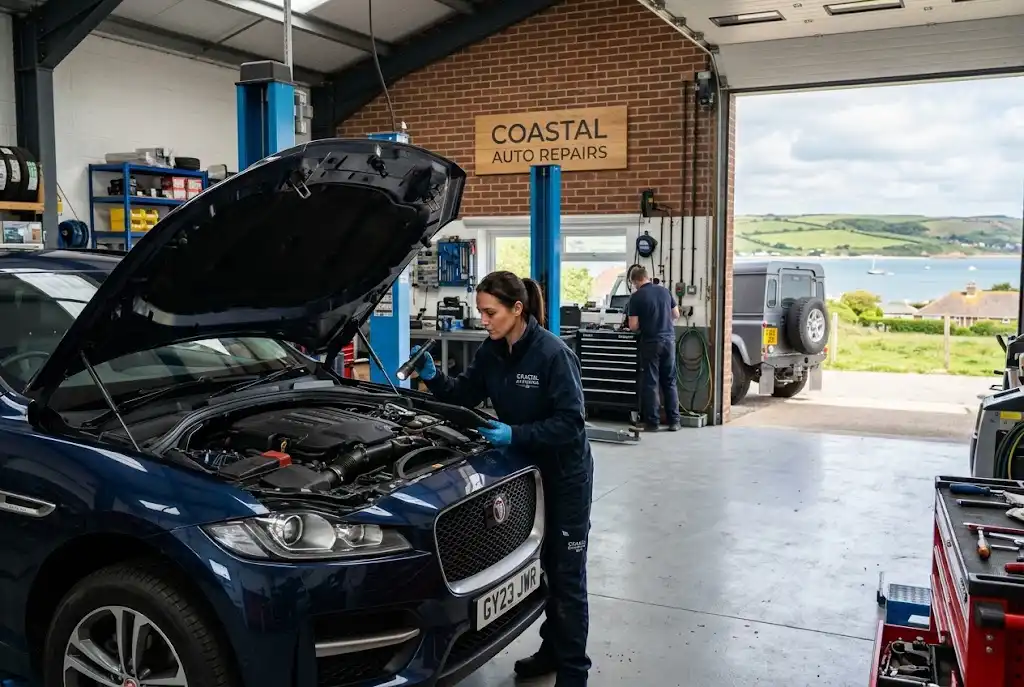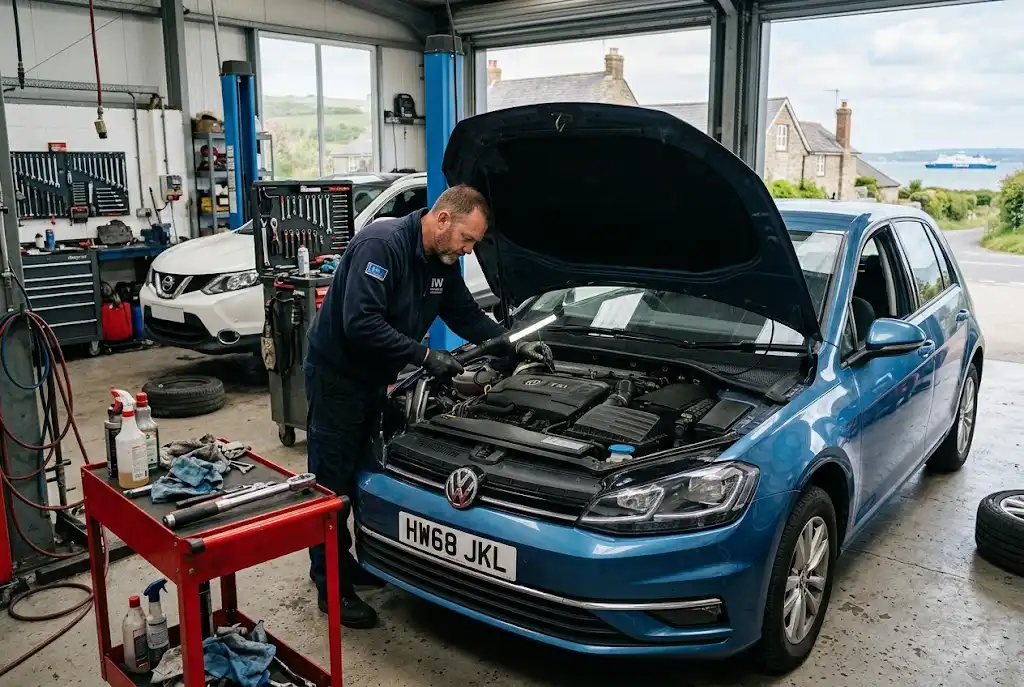
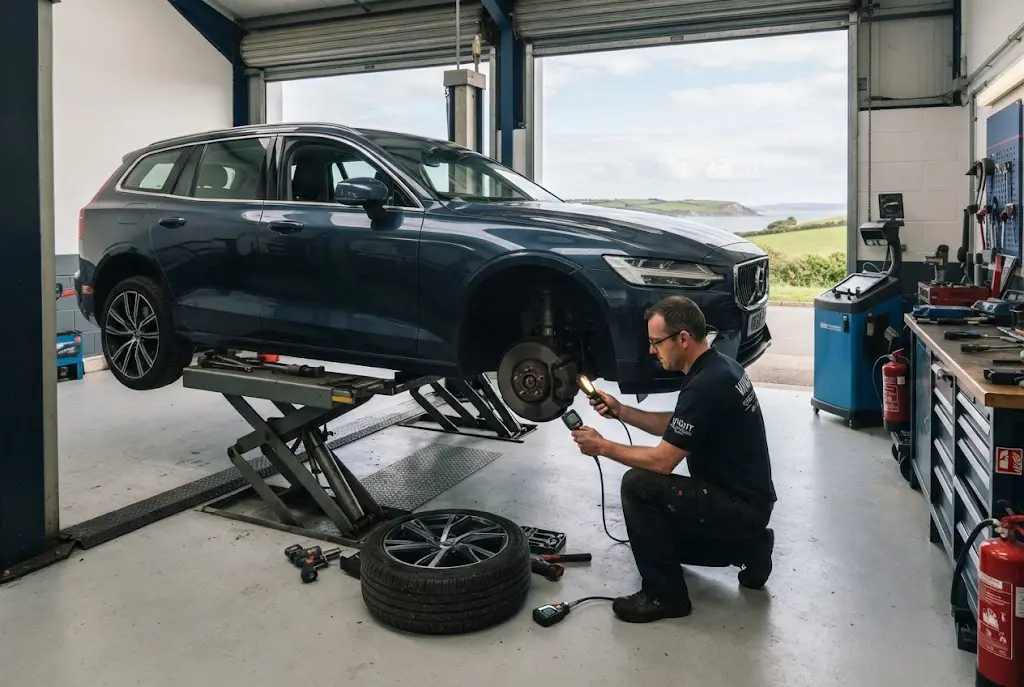

Driving on the Isle of Wight comes with its own mix of coastal weather, rural lanes, changing road conditions and regular ferry travel. For local motorists, auto inspection services can provide a practical way to identify potential problems before they become inconvenient or unsafe. A thorough vehicle inspection can be especially useful before a longer island journey, a ferry crossing or a period of heavier driving.
Although an inspection does not replace a legally required MOT or routine servicing, it can help drivers understand the condition of important components such as tyres, brakes, lights, steering and suspension. For households that depend on their cars for work, school, shopping and community travel, keeping a vehicle roadworthy is an important part of everyday island life.
Why Auto Inspection Services Matter on the Isle of Wight
Island driving can involve a surprisingly varied range of conditions. A typical journey may move from built-up streets to narrow rural roads, coastal routes or uneven lanes within a relatively short distance. Weather can also change quickly, making good tyres, effective brakes, working lights and reliable windscreen visibility particularly important.
For that reason, auto inspection services can be useful when you want an independent look at your vehicle’s condition without waiting until a problem becomes obvious. An inspection can highlight areas that deserve attention and help you plan maintenance before a minor issue develops into a more expensive repair.
This is particularly relevant to drivers who regularly use their vehicles for island motoring, local commuting and longer journeys across the island.
Vehicle Inspection Before Coastal Journeys
A vehicle travelling along coastal roads needs to be dependable. Before setting out, drivers should pay attention to basic safety items and any warning signs that the vehicle may require professional attention.
Tyres are one of the most important areas to check. They should have appropriate tread, be correctly inflated and be free from obvious cuts, bulges or other damage. Brakes also deserve attention, particularly if you have noticed vibration, unusual noises or changes in pedal feel.
Lights, mirrors, windows and windscreen condition are equally important. Good visibility can make a significant difference when driving in rain, mist, low light or changing coastal weather.
These checks form part of broader vehicle safety and should become a normal part of responsible vehicle ownership rather than something considered only before a holiday.
Safety Inspections and Roadworthiness
Roadworthiness is more than simply having a current MOT certificate. The UK Government explains that drivers are responsible for making sure their vehicles remain safe to drive, even when an MOT is still valid. Basic checks include lights, brakes, tyres, mirrors and windows, while fluid levels and other maintenance items should also be monitored. GOV.UK guidance on checking whether a vehicle is safe to drive provides further information for motorists.
A professional inspection can complement these everyday checks by giving greater attention to the condition of key mechanical and safety components. This can be valuable for drivers who have noticed unusual noises, handling changes, warning lights or other symptoms but are not yet sure what they mean.
It is also useful to understand the difference between an inspection and an MOT. An MOT is a regulated test covering specific safety and environmental standards. A general inspection can have a broader maintenance purpose and may be requested because of a particular concern or upcoming journey.
Coastal Conditions Can Affect Vehicle Maintenance
Living close to the sea means vehicles can be exposed to conditions that are different from those experienced further inland. Salt in the air, moisture, rain and damp conditions can all make regular vehicle care worthwhile.
Drivers should pay attention to signs of corrosion around exposed metal components and keep an eye on areas underneath the vehicle where dirt and moisture can collect. While coastal exposure does not automatically mean a vehicle will develop serious corrosion, sensible maintenance can help owners identify issues earlier.
This makes auto care services an important part of long-term ownership for motorists who regularly park or drive near the coast. Routine maintenance, cleaning and timely repairs can help protect a vehicle and reduce the risk of avoidable problems.
Ferry Travel Checks for Isle of Wight Drivers
Ferry travel is part of life for many Isle of Wight residents and visitors. Whether travelling for work, healthcare, family commitments or leisure, a vehicle that is already showing signs of trouble is not something you want to discover shortly before boarding.
A pre-travel inspection can therefore be sensible when you are planning a longer mainland journey. Check your tyres, brakes, lights, fluids and battery condition, and make sure there are no obvious warning signs that need professional attention.
Ferry operators also have their own procedures for vehicle travel. Wightlink advises vehicle passengers to arrive within the relevant check-in window and provides specific instructions for boarding and leaving the ferry. Its vehicle guidance also explains that vehicles are directed into designated lanes before boarding. Wightlink’s guidance for travelling by car is worth checking before a planned crossing.
For more general planning, drivers can also review information about ferry travel and how vehicle journeys fit into everyday island transport.
What to Check Before Driving on Island Roads
Not every inspection needs to be complicated. Before a longer journey, a driver can look for obvious issues and arrange professional help if something does not seem right.
- Tyres: Check pressure, tread and visible damage.
- Brakes: Pay attention to unusual noises, vibration or changes in braking performance.
- Lights: Make sure headlights, brake lights, indicators and other required lights are working.
- Windscreen: Check for damage that could affect visibility.
- Wipers: Replace worn blades that leave excessive smearing.
- Fluids: Check engine oil, coolant and screen wash according to the vehicle manufacturer’s guidance.
- Battery: Be alert to slow starting or other signs of battery weakness.
- Warning lights: Do not ignore dashboard warnings that remain illuminated.
These basic checks can work alongside professional safety inspections when a more detailed assessment is appropriate.
When Should You Book a Vehicle Inspection?
There is no single inspection schedule that suits every driver. The right timing depends on the vehicle, its age, mileage, condition and how it is used.
However, several situations can make an inspection particularly worthwhile. These include buying a used vehicle, preparing for a long trip, noticing a new mechanical symptom, returning a vehicle to regular use after a period of inactivity, or simply wanting greater confidence about its condition.
An inspection can also be useful before demanding periods of driving. If your vehicle is about to become the main transport for a family holiday, a series of work journeys or regular trips between the island and mainland, identifying potential issues early can provide useful peace of mind.
Choosing Local Inspection Centres
For island motorists, convenience matters. A nearby inspection centre can make it easier to arrange checks without turning routine maintenance into a major logistical task.
When comparing local inspection centres, consider what type of inspection is offered, whether the centre works with your vehicle type, what areas are checked and whether additional repair or servicing work can be arranged if an issue is found.
It can also help to choose a provider that understands the practical needs of local drivers. Someone who regularly uses rural routes, commutes between towns or travels by ferry may have different priorities from a motorist who only drives occasionally.
Inspections Can Help Prevent Bigger Repair Problems
One of the biggest advantages of regular vehicle checks is early awareness. A worn component or developing fault may not initially prevent a vehicle from being driven, but delaying attention can sometimes allow the problem to become more serious.
For example, unusual tyre wear may indicate an issue that deserves investigation. A strange braking noise may justify a professional assessment. Similarly, repeated difficulty starting the vehicle could point towards a battery or charging-system concern.
Early attention does not guarantee that major repairs will always be avoided, but it can make vehicle ownership more predictable. It also gives motorists an opportunity to plan maintenance rather than dealing with an unexpected breakdown at an inconvenient time.
How Inspections Fit Into Wider Car Care
An inspection should be viewed as one part of a wider vehicle maintenance routine. Regular servicing, MOT testing, tyre checks and sensible driving habits all contribute to keeping a vehicle dependable.
Drivers interested in broader vehicle care can build a simple maintenance routine around their manufacturer’s recommendations. This is especially helpful for families and households that rely on one or two vehicles for most daily journeys.
If a vehicle does develop a problem, understanding the difference between planned maintenance and urgent repair can also make it easier to decide whether you need a garage appointment or mobile auto service. Mobile mechanics can be particularly useful when a vehicle cannot conveniently be taken to a workshop.
Preparing Your Vehicle for Island Driving
Good preparation is ultimately about reducing avoidable surprises. Before a demanding journey, take a few minutes to consider the vehicle’s current condition, the route ahead and how heavily the car will be used.
If you regularly drive coastal roads, live in a rural part of the island or depend on your vehicle for frequent ferry journeys, professional checks can become a useful part of your overall maintenance plan. Combining inspections with sensible coastal maintenance can help you stay ahead of common ownership concerns.
It is also worth keeping basic emergency equipment in the vehicle and knowing who to contact if something goes wrong. Drivers who frequently travel through less populated areas may find information about roadside assistance useful when planning for unexpected problems.
Auto Inspection Services for Safer Coastal Driving
For Isle of Wight motorists, vehicle safety is closely connected to everyday mobility. Coastal weather, rural roads, local commuting and ferry travel all make reliability important. Regular checks cannot eliminate every possible problem, but they can help identify concerns before they become more disruptive.
Using auto inspection services alongside MOT testing, routine servicing and everyday vehicle checks gives drivers a more complete approach to roadworthiness. Whether you are preparing for a ferry crossing, planning a longer coastal drive or simply want greater confidence in your family car, a professional inspection can be a practical part of responsible vehicle ownership.
For drivers building a broader maintenance routine, it also makes sense to consider related areas such as car service costs, rust prevention and Isle of Wight roads. Together, these considerations can help island motorists make informed decisions about keeping their vehicles safe, reliable and ready for the journeys that matter.