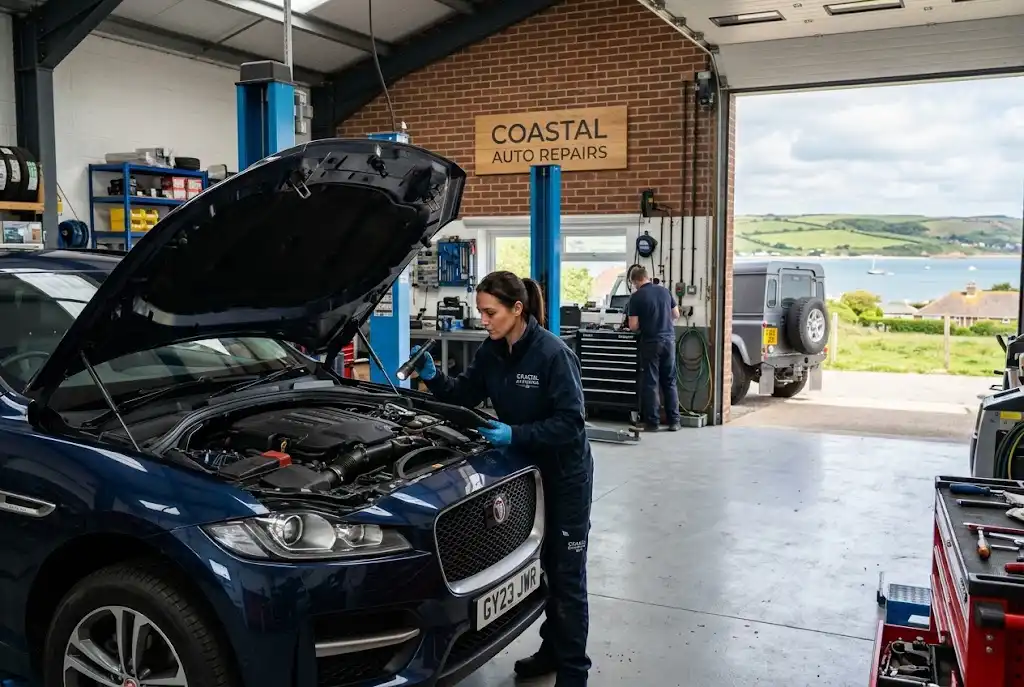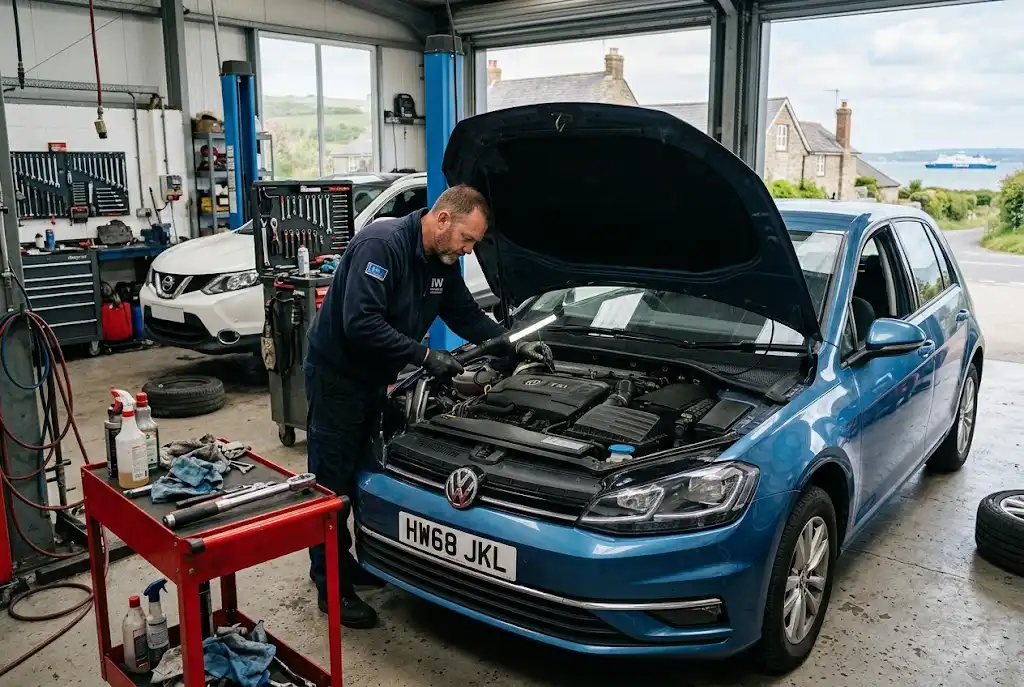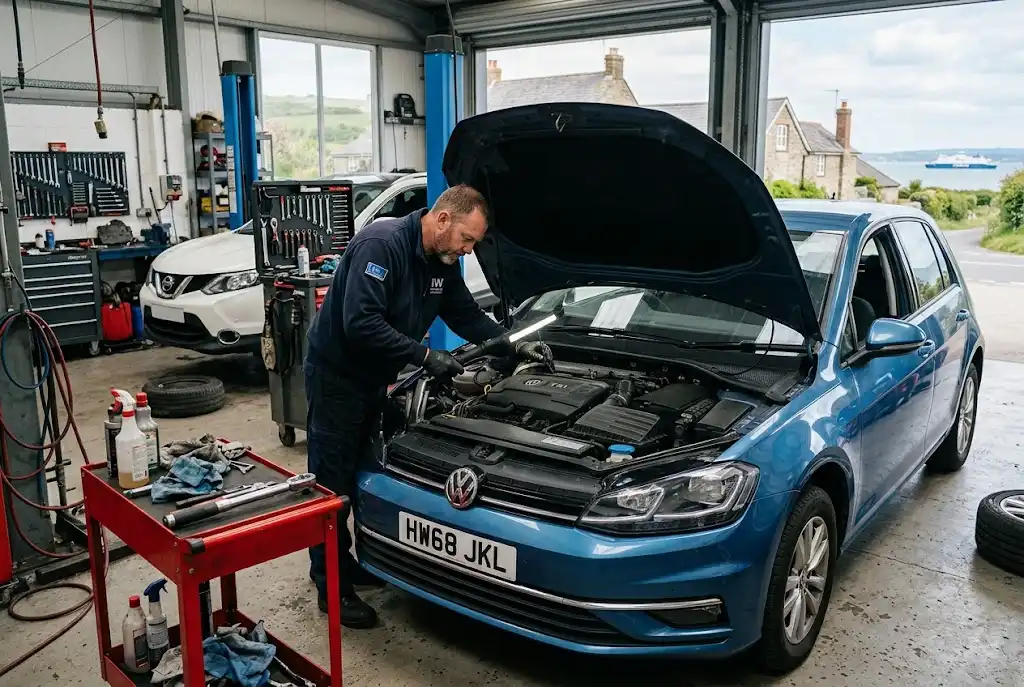
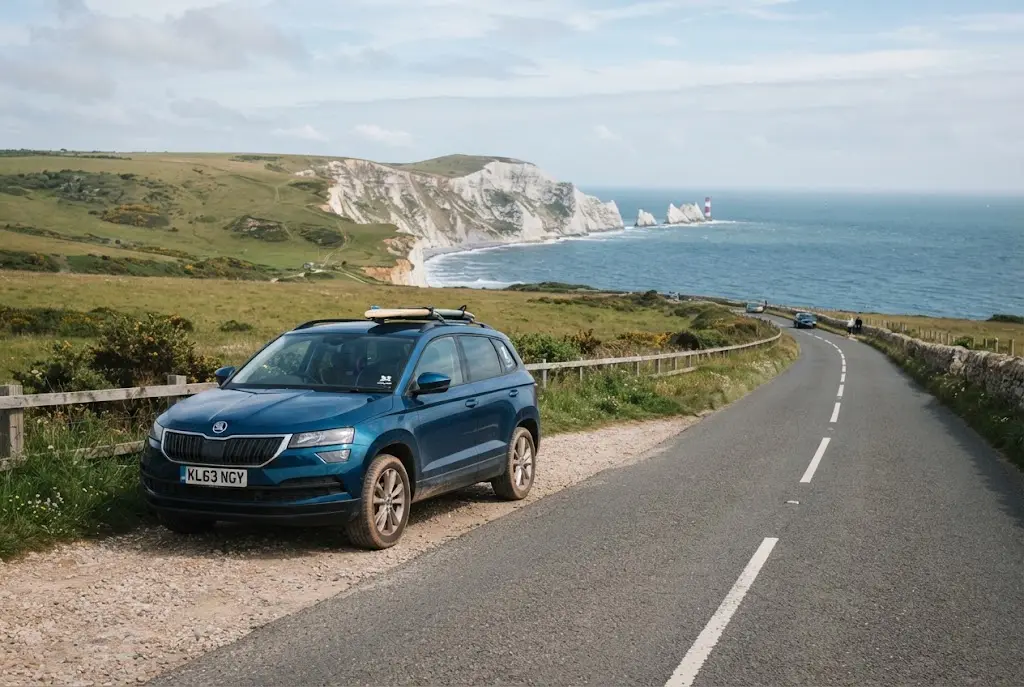

Choosing a vehicle is about more than finding a car that suits your lifestyle. For many island residents, it also means considering ferry travel, longer journeys, rural roads and the everyday cost of getting around. Car finance can make purchasing a vehicle more manageable by spreading the cost through regular payments, but the right agreement depends on your budget, driving needs and long-term plans.
Before committing to vehicle finance, it is important to understand the main options available, how monthly repayments work and what the total ownership cost could look like. A payment that appears affordable on its own may feel very different once insurance, fuel, servicing, tyres and other running expenses are included.
What Is Car Finance?
Car finance is a way of borrowing money to help purchase a vehicle, usually through a structured credit agreement. Rather than paying the full purchase price from savings, the buyer makes agreed payments over a set period, subject to the terms of the finance agreement.
Different finance products have different structures. The two options consumers commonly encounter when buying cars are Personal Contract Purchase (PCP) and Hire Purchase (HP). The agreement available to you will depend on the finance provider, vehicle and your circumstances.
It is important to look beyond the monthly figure. The deposit, interest, fees, contract length, mileage conditions and any final payment can all affect the overall cost of the agreement.
Car Finance and Island Living Costs
Vehicle affordability can be different for people living on an island. A car may be essential rather than optional, particularly when public transport does not provide a practical alternative for every journey.
Island motorists may also need to account for costs that are less significant for some mainland drivers. Ferry travel, for example, can become part of the wider cost of using a vehicle when travelling between an island and the mainland.
This means a sensible budget should consider the complete cost of owning and operating the vehicle rather than focusing exclusively on the finance payment.
PCP Finance Explained
PCP is one type of vehicle finance agreement. Instead of financing the entire expected value of the car through equal payments, PCP generally involves a deposit followed by monthly payments and a final optional payment known as a balloon payment if the buyer wants to own the vehicle at the end of the agreement.
At the end of a PCP agreement, depending on its terms, you may have options such as returning the vehicle, paying the final amount to keep it, or entering another agreement for a different vehicle.
PCP agreements commonly include an agreed mileage limit. Going substantially over the contracted mileage can result in additional charges, so the expected annual mileage should be considered carefully before signing.
When PCP May Appeal
PCP may appeal to drivers who prefer relatively predictable monthly payments and who regularly change vehicles. However, it is important to understand that a lower monthly payment does not necessarily mean a lower overall cost.
Island drivers should think particularly carefully about mileage. Regular ferry journeys, commuting and trips around the island can add up faster than expected.
HP Finance Explained
HP finance, or Hire Purchase, generally spreads the cost of the vehicle through regular payments over an agreed period. Once all required payments and conditions have been met, ownership of the vehicle transfers according to the agreement.
HP can be easier to understand for buyers who want a straightforward repayment structure and intend to keep their vehicle for a longer period.
As with any credit agreement, compare the deposit, interest, repayment period and total amount payable rather than judging the deal only by its monthly cost.
How to Calculate Affordable Monthly Repayments
Before applying for finance, work out what you can realistically afford each month. Start with your household income and essential expenses, then account for existing financial commitments.
Next, estimate the ongoing cost of running the vehicle. This can include:
- Fuel or charging costs.
- Insurance.
- Vehicle tax where applicable.
- MOT testing when required.
- Routine servicing.
- Tyres and other consumables.
- Unexpected repairs.
- Parking and other journey-related costs.
- Ferry travel where relevant.
The remaining amount gives you a more realistic picture of what could be available for a vehicle payment. It is sensible to leave some room for unexpected expenses rather than committing every spare pound to a finance agreement.
Don’t Forget the Total Cost of Vehicle Ownership
A common mistake when comparing vehicles is to focus on the finance payment while overlooking ownership expenses. A car with a slightly lower purchase price can still be more expensive to operate if it has higher insurance, fuel consumption or maintenance requirements.
For island residents, practicality should also be considered. A vehicle that is economical, dependable and suitable for local roads may offer better long-term value than a model chosen mainly because its finance payment looks attractive.
Tyre condition is another part of ongoing vehicle costs. If you regularly drive on coastal or rural roads, routine checks and appropriate tyre services for coastal driving should form part of your ownership budget.
How Ferry Travel Can Affect Your Budget
Ferry travel can be an important consideration when calculating the real cost of vehicle ownership on an island. A vehicle may be used for mainland appointments, work, family visits, holidays or other regular journeys.
Rather than treating ferry costs as an occasional expense, look at your actual travel pattern. If you expect to travel frequently, estimate the annual cost and include it alongside fuel, insurance and maintenance.
This can change how much you consider affordable when comparing different vehicles. A car with a lower monthly finance payment may not necessarily be the most economical choice if its running costs are significantly higher.
Choosing a Vehicle for Island Roads
The right vehicle should match how you actually drive. Island motorists may use a mixture of urban streets, rural lanes, coastal roads and faster routes, so practicality and reliability can be more important than simply choosing the newest or most powerful model.
Think about passenger requirements, boot space, annual mileage, fuel economy and the type of roads you regularly use. Families may need additional space, while someone who mainly makes short local journeys may have different priorities.
If you are considering a second-hand vehicle, condition and maintenance history should be investigated carefully. Our related guide to used cars and second-hand vehicles covers important considerations for island buyers looking at local dealerships and private sellers.
Car Finance Eligibility and Affordability
Finance providers normally assess applications according to their own lending criteria. Your circumstances, financial information and credit history can affect whether an application is accepted and what terms are offered.
Approval should not be treated as proof that a particular vehicle is affordable for your household. A lender may approve a payment that still leaves too little flexibility for your other expenses.
For this reason, set your own budget before shopping for a car. Knowing your maximum comfortable monthly cost can help prevent you from being persuaded to stretch your finances simply to obtain a more expensive vehicle.
Questions to Ask Before Signing
Before agreeing to finance, make sure you understand the complete agreement. Useful questions include:
- How much is the deposit?
- What is the monthly payment?
- How long is the agreement?
- What is the total amount payable?
- What interest rate or APR applies?
- Are there mileage restrictions?
- Is there a final balloon payment?
- What happens at the end of the agreement?
- Are there charges for exceeding mileage limits?
- What happens if I want to settle the agreement early?
If any part of the agreement is unclear, ask the finance provider or dealer to explain it before signing.
Car Finance vs Buying With Savings
Financing a car is not automatically better than buying outright. If you have sufficient savings, purchasing a vehicle without borrowing can avoid interest charges. However, using most or all of your savings can leave you with little money available for emergencies.
The right decision depends on your wider finances. Consider the value of retaining an emergency fund alongside the potential cost of borrowing.
For some households, a reasonably priced vehicle financed over a manageable period may provide a better balance than spending all available savings. For others, buying outright may make more financial sense.
Plan for Repairs and Maintenance Too
Finance payments do not cover every cost associated with owning a vehicle. Even a newer car will require routine maintenance, while older vehicles may need more frequent repairs.
Keeping money aside for servicing and unexpected problems can make vehicle ownership less stressful. If a significant repair does occur, understanding options such as repair finance and repair payment plans can help you assess the available choices without making a rushed decision.
Regular maintenance can also help you identify developing problems before they become more serious. A reliable local garage can be useful for inspections, servicing and repairs throughout the vehicle’s ownership.
Should You Choose a New or Used Vehicle?
The decision between a new and used vehicle should be based on your budget and priorities. A newer car may offer more predictable early ownership costs, while a used vehicle can provide access to a lower purchase price.
However, used vehicles need careful assessment. Service history, mileage, condition, tyre wear and previous maintenance can all influence the true cost of ownership.
Island buyers should also consider how much driving the vehicle will actually do. There is little value in paying for features or performance that do not match your normal use.
Make Vehicle Affordability a Long-Term Decision
The most useful approach to car finance is to consider the entire ownership period. Ask whether you can comfortably manage the repayments during months when other household costs increase.
Think about likely mileage, ferry travel, servicing, repairs and insurance before deciding how much to spend. A sensible finance agreement should fit within a wider household budget rather than becoming the centre of it.
For island motorists, affordability is ultimately about maintaining reliable mobility without taking on an unsustainable financial commitment.
Final Thoughts
Car finance can provide a practical way to spread the cost of purchasing a vehicle, but the monthly repayment is only one part of the decision. PCP and HP finance have different structures, while vehicle ownership brings additional expenses that need to be included in any realistic budget.
Island residents should consider ferry travel, local roads, annual mileage, maintenance and household expenses before deciding what they can comfortably afford. Comparing the total cost of an agreement and choosing a vehicle that matches your actual needs can help make ownership more manageable over the long term.
Taking a measured approach before signing a finance agreement can be just as important as choosing the right car itself.