
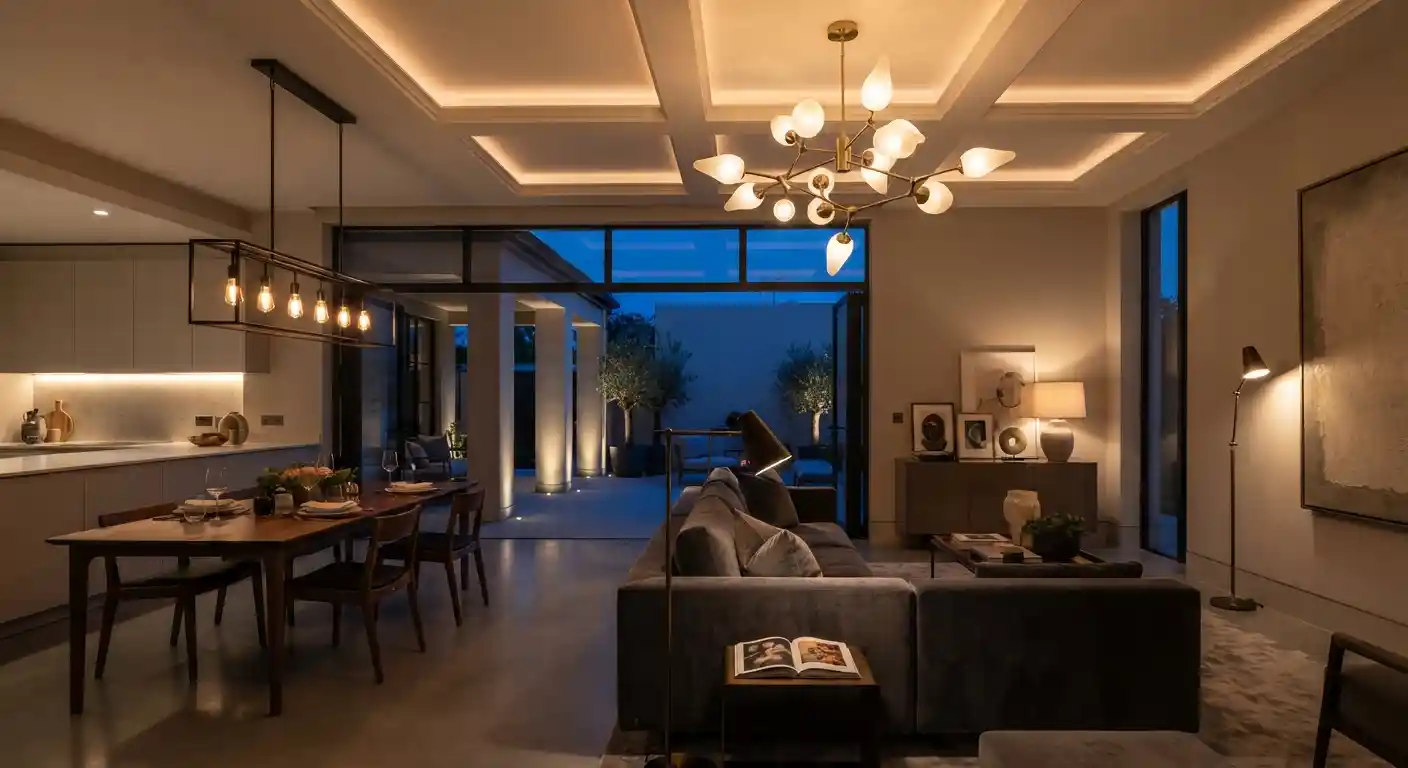

Lighting is one of the most important elements of modern home decoration, yet it is often overlooked when homeowners plan a new interior. Furniture, wall colors, flooring, and accessories may receive most of the attention, but lighting can determine how all of these elements actually look and feel.
A well-lit room can appear larger, warmer, and more welcoming, while poor lighting can make an otherwise attractive interior feel dull or uncomfortable. By combining natural daylight with carefully selected artificial lighting, homeowners can create spaces that are practical during the day and relaxing in the evening.
Start With Natural Light
Natural light should be the starting point for any home decoration project. Sunlight can make colors appear more vibrant and can create a greater sense of openness, particularly in smaller rooms.
Keep windows as unobstructed as possible and choose curtains or blinds that allow daylight to enter when privacy is not a concern. Light-colored walls and reflective surfaces can also help distribute natural light throughout the room.
The amount and direction of daylight should be considered when choosing furniture colors. A shade that looks bright in a well-lit room may appear considerably darker in a space with limited windows.
Choose Furniture With Lighting in Mind
Furniture and lighting should work together rather than being considered separately. The color and material of a sofa, for example, can change significantly depending on whether it is exposed to natural daylight, warm lamps, or cooler overhead lighting.
A green sofa can become an attractive focal point in a modern living room, particularly when supported by suitable lighting. Green works well with natural materials, warm wood tones, neutral walls, and indoor plants.
Positioning the sofa where it receives comfortable natural light during the day can highlight its color and texture. In the evening, carefully placed lamps can maintain the same inviting atmosphere.
Create Layers of Artificial Lighting
A modern interior rarely works best with just one ceiling light. Layered lighting allows different parts of the room to serve different purposes.
Ambient lighting provides general illumination, while task lighting focuses on specific activities such as reading or working. Accent lighting can highlight artwork, furniture, architectural details, or decorative features.
Combining these different types gives you greater control over the atmosphere of the room. Bright lighting can support practical activities, while softer illumination can create a relaxed environment in the evening.
Use Warm Lighting for Comfortable Spaces
The color temperature of a light source can have a major effect on the mood of an interior. Warm lighting tends to create a cozy and welcoming atmosphere, making it particularly suitable for living rooms, bedrooms, and dining areas.
Warm bulbs can also complement natural materials and earthy colors. If your interior includes green, brown, beige, cream, or wooden elements, warm lighting can enhance their natural character.
This is especially useful in living rooms where comfort and relaxation are important parts of everyday life.
Highlight Your Main Focal Point
Lighting can help establish or strengthen a room’s focal point. If a particular sofa, artwork, fireplace, or architectural feature is intended to attract attention, accent lighting can draw the eye toward it.
A green sofa can serve as a strong focal point because its color naturally introduces personality into a neutral interior. A floor lamp positioned nearby or a wall light directed toward the surrounding area can help integrate the sofa into the overall design.
The lighting should enhance the furniture rather than create harsh reflections or excessive brightness.
Match Lighting to Room Size
The size of a room should influence the lighting strategy. Small rooms may benefit from several compact light sources instead of one large fixture.
Wall lights can save floor space, while table lamps can provide focused illumination without taking up much room. Mirrors can also reflect light and make compact spaces appear brighter and more open.
Larger rooms offer more opportunities for multiple lighting zones. Different areas can be illuminated according to their function, such as a reading corner, seating area, dining space, or workspace.
Use Pendant Lights as Decorative Features
Lighting fixtures themselves can become important decorative elements. Pendant lights can introduce shape, texture, and personality while providing practical illumination.
A pendant positioned above a dining table or central seating area can help define that zone within an open-plan interior.
When selecting a decorative light fixture, consider its relationship with the surrounding furniture. The material, shape, and finish should complement the existing interior rather than competing with it.
Add Floor and Table Lamps
Floor and table lamps are among the easiest ways to introduce flexible lighting. They can be moved or replaced without making major changes to the room.
A floor lamp beside a sofa can provide useful reading light, while a table lamp can create a softer glow on a side table or console.
These smaller light sources are particularly valuable in the evening because they allow you to reduce reliance on strong overhead illumination.
Consider the Color of the Walls
Wall color affects how light is reflected around a room. Light neutral shades generally reflect more light, helping rooms feel brighter.
Darker walls can still look sophisticated, but they may require stronger or more strategically positioned lighting. Instead of trying to illuminate every surface equally, use accent lights to create depth and highlight important features.
The relationship between wall color and artificial lighting should be considered before finalizing a decoration scheme.
Use Lighting to Add Depth
A room can feel flat when everything is illuminated at the same intensity. Different levels of brightness create shadows and highlights that give an interior more depth.
Accent lighting can highlight artwork or architectural features, while softer background lighting can maintain a comfortable overall atmosphere.
This layered approach can make even simple furniture arrangements appear more sophisticated.
Connect Lighting With Natural Materials
Modern interiors often combine contemporary furniture with natural materials such as wood, stone, linen, rattan, and plants. Lighting can emphasize these textures and make them more visually interesting.
Warm light reflecting against wooden surfaces can create a cozy atmosphere, while carefully positioned lighting can reveal the texture of fabrics and natural materials.
Green furniture also pairs naturally with these elements. A green sofa surrounded by wood, plants, and warm lighting can create a relaxed interior inspired by nature.
Avoid Excessive Brightness
More light does not always mean better lighting. Excessively bright fixtures can create glare and make a room feel uncomfortable.
Instead, consider the activities that take place in each area and choose appropriate brightness levels. Dimmers can provide additional flexibility by allowing the same fixture to support different moods.
Soft lighting is often preferable in the evening, particularly in rooms intended for relaxation.
Make Lighting Flexible
Modern homes often serve multiple purposes. A living room might be used for watching television, reading, working, entertaining guests, or simply relaxing.
A flexible lighting arrangement allows the atmosphere to change depending on the activity. Task lights can support focused activities, while ambient and accent lighting can create a more relaxed environment.
This flexibility is especially useful when the same room needs to transition from daytime productivity to evening relaxation.
Think About Energy Efficiency
Home decoration should also consider energy use. LED lighting is widely used because it can provide efficient illumination while being available in different brightness levels and color temperatures.
Choosing efficient bulbs and switching off unnecessary lights can reduce energy consumption. Smart lighting systems can provide additional control by allowing homeowners to schedule or adjust lights according to their routines.
These practical considerations can complement an attractive interior without compromising its appearance.
Coordinate Lighting Fixtures With the Interior
Lighting fixtures should feel like part of the overall decoration. Their finishes can be coordinated with furniture hardware, cabinet handles, decorative objects, or other metal elements in the room.
For example, black fixtures can provide contrast in a light interior, while brass or warm metallic finishes can add a more decorative touch.
The goal is not to match every item perfectly but to create enough visual connection for the room to feel cohesive.
Create a Relaxing Evening Atmosphere
One of the greatest benefits of good lighting is the ability to change the atmosphere after sunset. Instead of using bright overhead lights throughout the evening, combine lamps and softer accent lighting.
A living room with comfortable seating, natural textures, and warm illumination can become a relaxing space for reading, conversation, or entertainment.
This is where furniture color becomes particularly important. A green sofa can appear especially rich and inviting under warm evening lighting, creating a strong yet comfortable visual centerpiece.
Final Thoughts
Lighting is much more than a practical necessity. It is an essential part of modern home decoration that influences color, texture, atmosphere, comfort, and visual balance.
The most effective approach combines natural daylight with several types of artificial lighting. Ambient, task, and accent lighting can work together to make each room more functional while highlighting important furniture and decorative features.
By considering lighting alongside furniture, wall colors, textures, and room layout, homeowners can create interiors that feel comfortable throughout the day. Whether you are decorating a new space or refreshing an existing room, thoughtful lighting can make even simple design choices look more polished and intentional.