

Island motoring is about more than simply getting from one destination to another. On the Isle of Wight, driving is closely connected with everyday life, from commuting and school runs to shopping, family visits, ferry journeys and weekend trips along the coast. The island’s combination of rural roads, coastal routes, towns and villages creates a distinctive driving environment that rewards preparation and sensible vehicle care.
For residents, a reliable car can provide an important link between different parts of the island. For visitors, driving offers the flexibility to explore beaches, countryside, attractions and quieter roads at their own pace. Understanding the character of Isle of Wight roads and planning for local conditions can make both everyday journeys and scenic drives more enjoyable.
What Makes Island Motoring Different?
Driving on an island can feel different from driving in a large mainland city or across long motorway networks. Journeys may involve narrow rural lanes, winding roads, coastal sections, changing weather and regular interaction with cyclists, pedestrians and agricultural traffic.
Traffic levels can also vary considerably depending on location, time of day and season. A route that feels quiet on one occasion may be considerably busier during a popular holiday period.
This means island motoring often requires flexibility. Allowing additional time, checking the route before setting off and driving according to the conditions can all contribute to a more comfortable journey.
Understanding Isle of Wight Roads
The island has a mixture of urban streets, main roads, country lanes and coastal routes. Some roads are relatively straightforward, while others require greater attention because of their width, bends, gradients or surrounding environment.
Drivers unfamiliar with the island should avoid assuming that a short distance on a map will always translate into a quick journey. Rural routes can be slower than they initially appear, particularly when roads are narrow or when vehicles need to pass carefully.
Local motorists are generally familiar with these conditions, but even experienced drivers should remain alert when weather or road conditions change. Information about Isle of Wight roads can form part of broader journey planning.
Coastal Driving on the Island
Coastal driving is one of the pleasures of living on or visiting the Isle of Wight. Routes near the sea can provide beautiful views and access to some of the island’s most attractive destinations.
However, scenic surroundings should never distract from the road ahead. Coastal weather can change quickly, and wind, rain, mist or bright low sunlight can affect visibility and driving conditions.
Drivers should adjust their speed and following distance when conditions require it. Good tyres, working lights, effective windscreen wipers and clean windows are also important when dealing with changing weather.
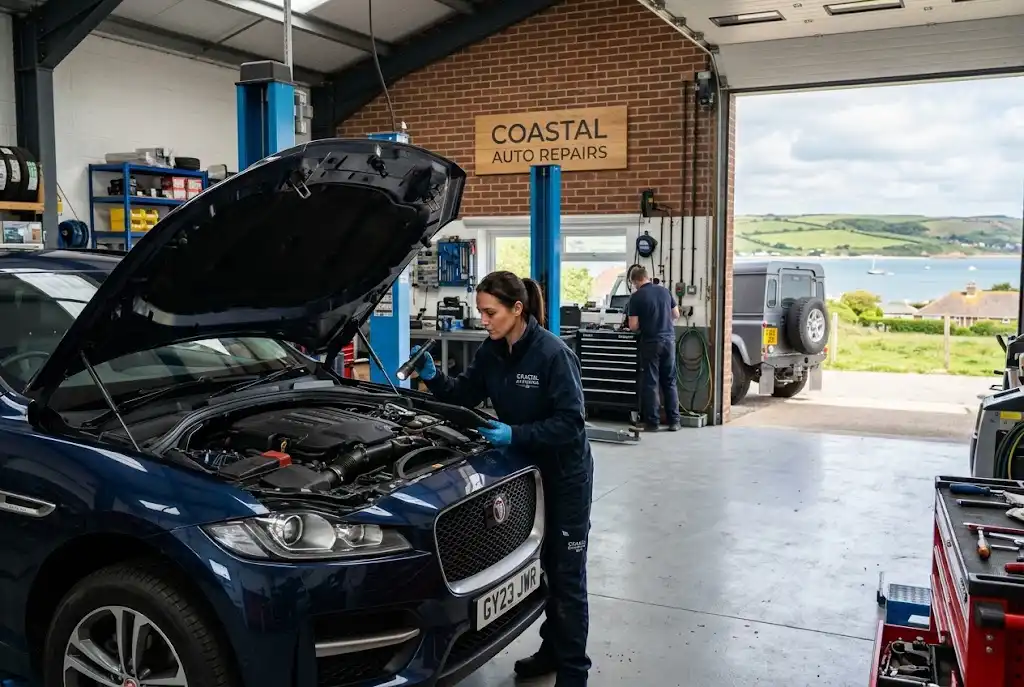
For motorists who regularly drive near the coast, preventative maintenance is worth considering. Auto care services can form part of a wider approach to looking after vehicles exposed to seaside weather and moisture.
Rural Transport and Narrow Roads
Rural transport is an important part of island life. Away from the larger towns, drivers may encounter narrow lanes, blind bends, parked vehicles, farm machinery and occasional livestock.
These roads reward patience. Drivers should be prepared to slow down, use passing places appropriately and anticipate that another vehicle may appear around a bend. Maintaining a speed that allows you to stop safely within the visible road ahead is particularly important on unfamiliar rural routes.
Navigation technology can be useful, but drivers should also use common sense. The shortest route suggested by an app is not necessarily the most comfortable route for every vehicle or driver.
Local Commuting Across the Isle of Wight
For residents, much of everyday island motoring involves routine journeys rather than sightseeing. Commuters may travel between towns and villages for work, while families use their cars for education, shopping, appointments and activities.
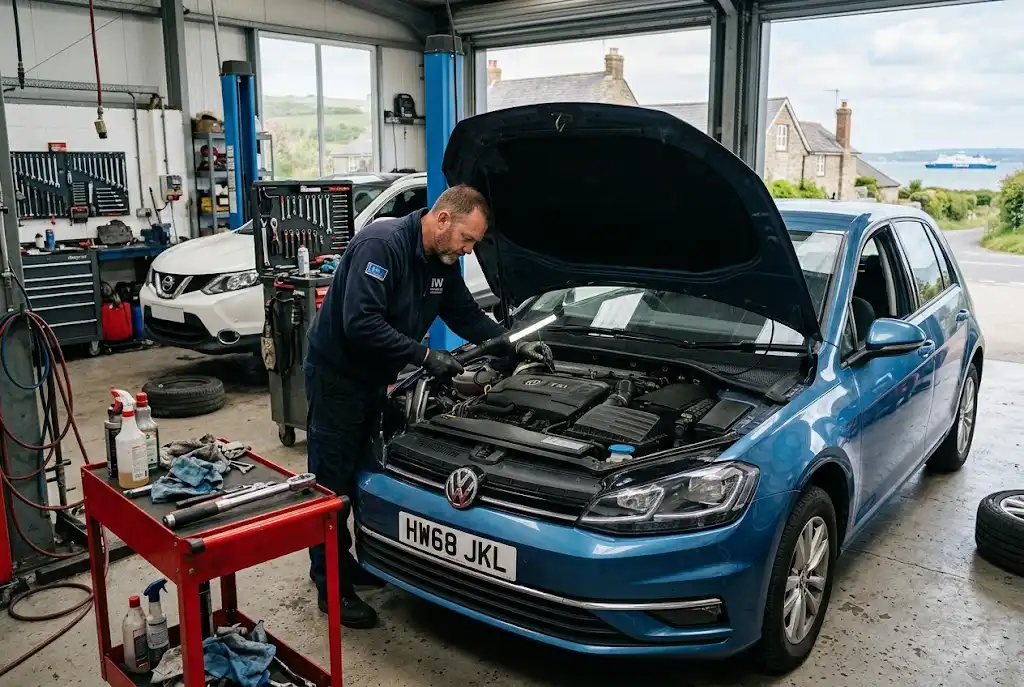
Because these journeys are repeated frequently, small maintenance problems can become significant if they are ignored. A vehicle that is used every day should receive appropriate servicing and regular checks rather than being maintained only when something goes wrong.
Drivers can monitor basic items such as tyre condition, fluid levels, lights and windscreen visibility. Unusual noises, warning lights or changes in steering and braking should also be investigated rather than ignored.
Where a more detailed assessment is required, auto inspection services can help identify issues that may not be obvious during a normal journey.
Ferry Travel and Mainland Connections
Ferry travel is an important part of mobility for many island residents. People may need to take their vehicles to the mainland for work, holidays, family commitments, shopping or specialist appointments.
A ferry journey introduces another stage into the driving plan. Motorists need to consider check-in requirements, sailing times, traffic around terminals and the condition of the vehicle before travelling.
It is sensible to make sure tyres, lights, brakes and other important components are in good condition before a longer trip. Drivers should also leave enough time for the journey to the terminal rather than treating the sailing time as the only deadline.
Those planning regular crossings can also review practical information about ferry travel as part of their wider transport planning.
Vehicle Reliability Matters for Island Motorists
When a vehicle is central to everyday life, reliability becomes an important consideration. A breakdown can affect work, school, appointments and family plans, particularly when it happens away from home.
Routine maintenance can help drivers stay aware of the vehicle’s condition. Following the manufacturer’s recommended servicing schedule, responding to warning signs and replacing worn components when necessary are all sensible parts of vehicle ownership.
For motorists who experience a problem away from a garage, a mobile auto service may sometimes provide a convenient option. Depending on the fault, a mobile mechanic may be able to diagnose or repair the vehicle where it has stopped.
Seasonal Changes and Island Driving
The character of island roads can change throughout the year. Summer can bring increased visitor traffic, while autumn and winter may introduce darker mornings, wet surfaces, stronger winds and reduced visibility.
Drivers should adapt accordingly. Before setting out during poor weather, check that lights and wipers are working correctly and that tyres are in suitable condition. Allowing extra stopping distance can also be important when roads are wet or visibility is reduced.
During busier periods, patience can make a considerable difference. Local motorists may encounter unfamiliar drivers, campervans, cyclists and pedestrians sharing routes that feel much quieter at other times of the year.
Making Scenic Driving Safer and More Enjoyable
The Isle of Wight is well suited to scenic driving, but enjoying the views should never come at the expense of concentration. Drivers should use appropriate stopping places if they want to take photographs or appreciate a particular viewpoint.
Planning the route in advance can also make a scenic journey more relaxed. Instead of trying to cover every destination in one trip, motorists can choose a manageable route with suitable places to stop.
This approach is particularly useful for visitors unfamiliar with local roads. A slower, planned journey can provide a better experience than rushing between destinations.
Community Mobility and Car Ownership
Cars can play an important role in community mobility on an island. They connect residents with workplaces, schools, healthcare services, shops, social activities and family networks.
For some households, vehicle ownership is therefore closely tied to independence. Maintaining a dependable car and knowing where to obtain assistance when something goes wrong can make everyday life considerably easier.
That is why responsible maintenance should be viewed as part of practical island living. Understanding vehicle safety, arranging appropriate servicing and dealing with developing problems promptly can all support dependable transport.
Keeping Island Motoring Affordable
Driving costs include more than fuel. Insurance, servicing, tyres, repairs, MOT-related expenses and general maintenance all contribute to the overall cost of vehicle ownership.
For island motorists, mainland journeys can introduce additional expenses when ferry travel is required. Planning maintenance locally where practical may reduce unnecessary travel and make routine ownership easier to manage.
Understanding car service costs can also help households plan their annual vehicle budgets. A realistic maintenance budget is useful because postponing necessary work can sometimes lead to greater disruption later.
Practical Habits for Better Island Motoring
A few simple habits can make everyday driving easier:
- Check tyre condition and pressures regularly.
- Keep windows, mirrors and lights clean.
- Pay attention to dashboard warning lights.
- Follow the vehicle manufacturer’s servicing recommendations.
- Allow extra time for unfamiliar rural routes.
- Adapt speed to weather and road conditions.
- Take extra care on narrow lanes and blind bends.
- Plan ahead for ferry journeys.
- Keep appropriate breakdown or roadside assistance details available.
- Arrange professional advice when unusual vehicle symptoms appear.
These habits are straightforward, but they can support safer and less stressful journeys throughout the year.
Island Motoring as Part of Everyday Island Life
Island motoring is closely woven into life on the Isle of Wight. Whether the journey involves commuting to work, taking children to school, travelling between villages, visiting the coast or catching a ferry, drivers experience a distinctive combination of roads and conditions.
The key is to treat local driving as something that benefits from preparation. Understanding rural routes, respecting coastal conditions, maintaining the vehicle and allowing enough time for journeys can all make a difference.
For residents, dependable transport supports community mobility and everyday independence. For visitors, a well-planned driving approach can open up more of the island without making the journey feel rushed.
By combining sensible driving habits with regular maintenance and appropriate professional support, motorists can enjoy the flexibility that comes with having a vehicle on the island. From rust prevention and coastal vehicle care to roadside assistance and routine inspections, each part of responsible vehicle ownership contributes to a more reliable experience on Isle of Wight roads.