
Understanding the real cost of car ownership Isle of Wight drivers face helps you budget honestly and avoid nasty surprises. Island motoring has its own pattern of expenses: the usual running costs every UK driver pays, plus a few quirks that come with living surrounded by water. This guide breaks down where the money goes and how island drivers keep costs under control.
The Everyday Running Costs
Fuel, insurance and vehicle tax form the core of every motoring budget. Island drivers often cover shorter distances than mainland commuters, which can mean lower fuel spend but more short trips, and short journeys are harder on engines, batteries and exhausts than steady motorway runs. Insurance varies with your postcode, vehicle and history, so shopping around at renewal remains the single easiest saving most drivers can make.
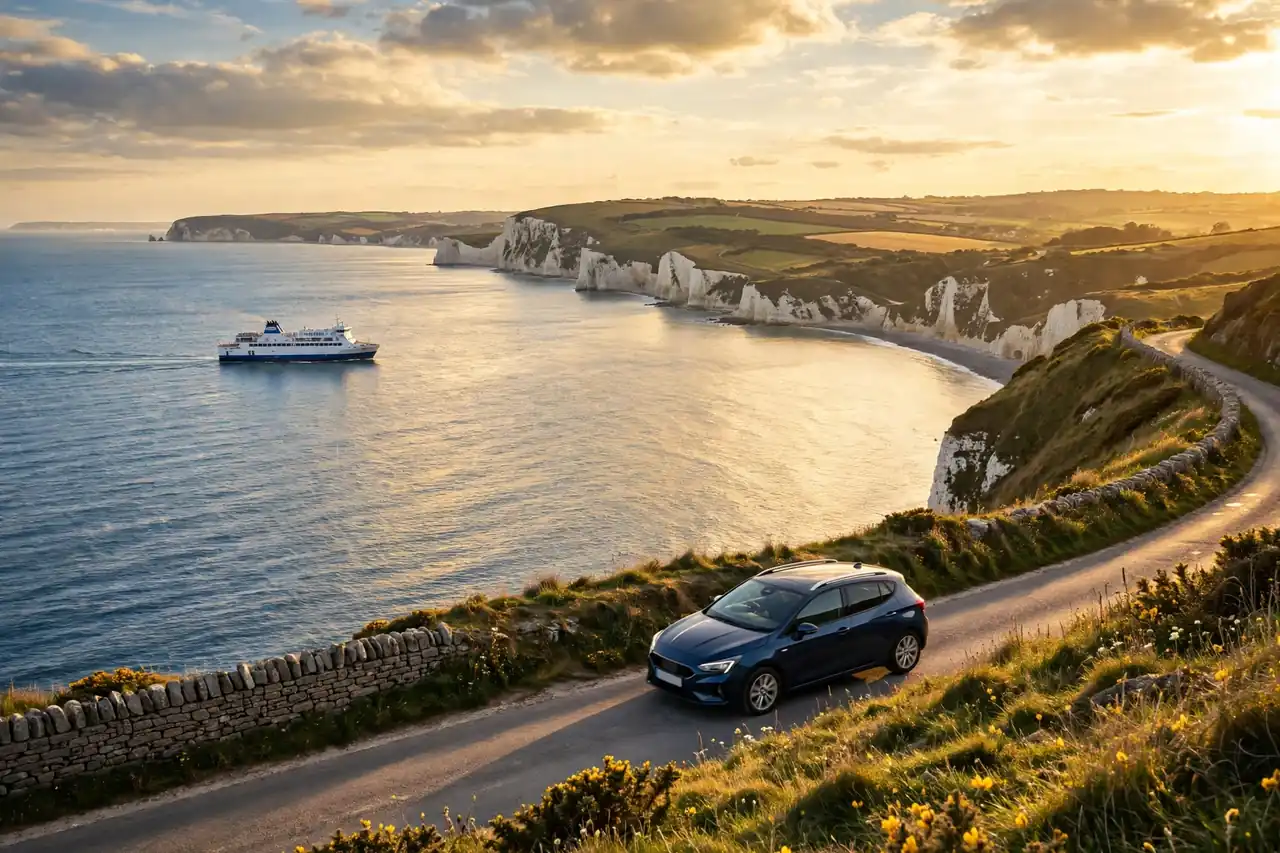
Our guide to everyday driving on the Isle of Wight gives a feel for how island journeys differ, and why a car that suits mainland motorway life is not always the best fit here.
Servicing and Repairs on an Island
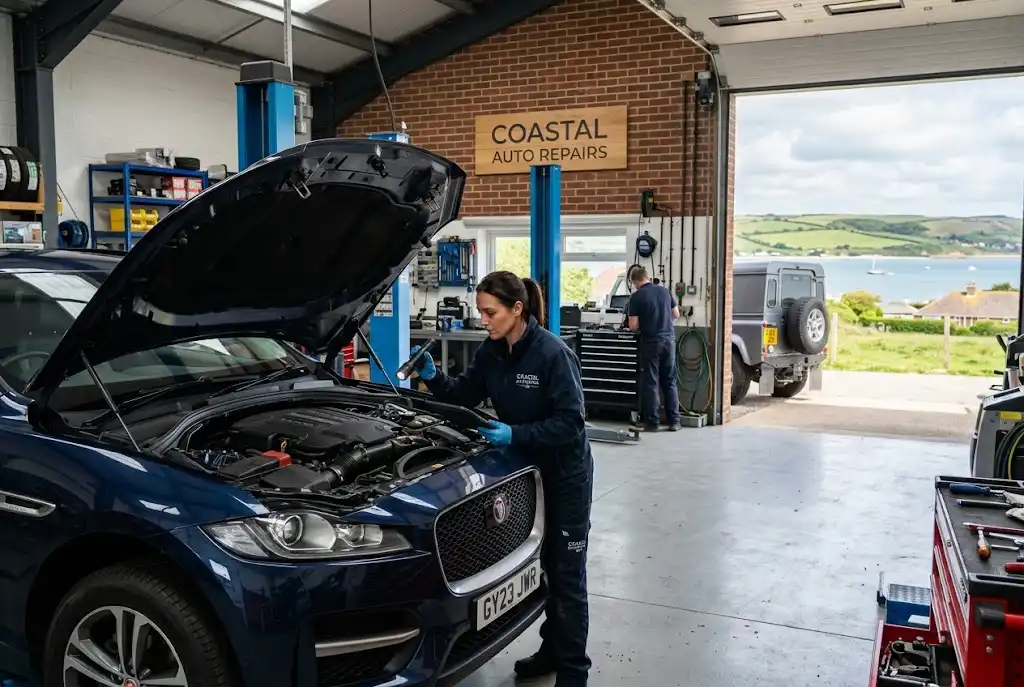
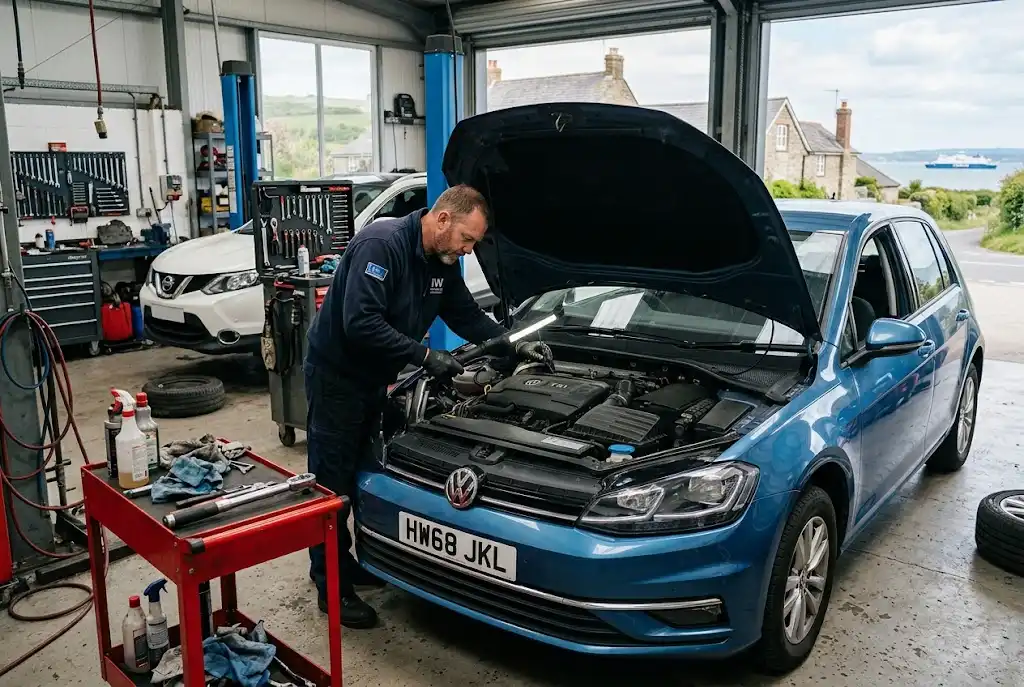
Routine servicing is the backbone of predictable costs. Our breakdown of car service costs on the Isle of Wight explains what drivers can expect to budget for, and why skipping services to save money usually backfires when small issues turn into big repairs.
Island garages occasionally need to order parts from the mainland, which can add a day or two to some jobs. Planning non-urgent work ahead, rather than waiting for a failure, keeps you mobile. When a larger bill does land unexpectedly, repair finance options can spread the cost, and many drivers use car service plans to turn annual maintenance into manageable monthly payments.
Island Wear and Tear
Coastal conditions shape what island cars need. Salt in the air accelerates corrosion on bodywork and brake components, so washing the underside of the car more often than a mainland driver might, and dealing with paint chips promptly, pays off. Short hops between towns also mean engines frequently run cold, which increases wear and can flatten batteries on cars that sit unused between trips.
None of this makes island cars unusually expensive to keep, but it does reward owners who build small habits into the year: a monthly tyre and fluid check, an occasional longer run to charge the battery properly, and prompt attention to rust spots before they spread. These habits cost almost nothing and protect the car’s value.
The Ferry Factor
The cost mainland drivers never think about is the ferry. Taking your car across the Solent for work, family visits, shopping or holidays adds up over a year, especially at peak times. How often you travel, whether you can book off-peak, and whether some trips can be made on foot all make a real difference to an island motoring budget.
It also influences the car you choose. A vehicle that is cheap to run but impractical for family trips off the island may cost you more in the long run than a slightly thirstier car that does everything. Think about your real travel pattern before deciding what to buy or keep.
Buying Smart Keeps Costs Down
Depreciation is the biggest cost of owning most cars, and it is why so many island drivers buy used. Our guide to buying used cars on the Isle of Wight covers the checks that protect you from expensive mistakes, and if you need to spread the purchase price, our explainer on car finance for island residents sets out the main options in plain language.
Whatever you buy, a well-documented service history is worth paying a little extra for. It signals a cared-for car, reduces the chance of immediate bills, and supports the price when you eventually sell.
Choosing a Car That Suits Island Life
The cheapest car to own is usually the one that fits your life properly. Island roads reward modest sizes: narrow lanes, tight village parking and short journeys all favour smaller cars that are light on fuel, tyres and brakes. Large vehicles come into their own only if you regularly carry family, equipment or tow, and even then the running costs deserve a clear-eyed look before you buy.
Reliability records and local knowledge matter too. Ask island garages which models they see least often for anything beyond servicing; mechanics who deal with the same cars for years develop strong opinions, and they are usually happy to share them. A slightly dull car with a strong local track record will almost always cost less to own than an exciting one that needs specialist attention from the mainland.
Budgeting for the Cost of Car Ownership Isle of Wight
Drivers who cope best with island motoring costs tend to do a few simple things. They keep a small monthly reserve for maintenance rather than treating every bill as an emergency. They deal with advisories from the MOT promptly, while repairs are still cheap. And they review insurance, breakdown cover and service plans once a year instead of letting them roll over unnoticed.
It also helps to keep a simple record. A notebook in the glovebox or a notes app entry for fuel, repairs and insurance renewals shows you your true annual figure within a year, which makes decisions about keeping, repairing or replacing the car far easier. Guessing tends to flatter expensive cars and underrate reliable ones.
None of this requires spreadsheets or sacrifice. It is about knowing that a car on an island is both a necessity and a predictable expense, and planning for it in the same way you plan for other household bills. Do that, and island motoring stays what it should be: the freedom to enjoy one of Britain’s most beautiful places to drive.