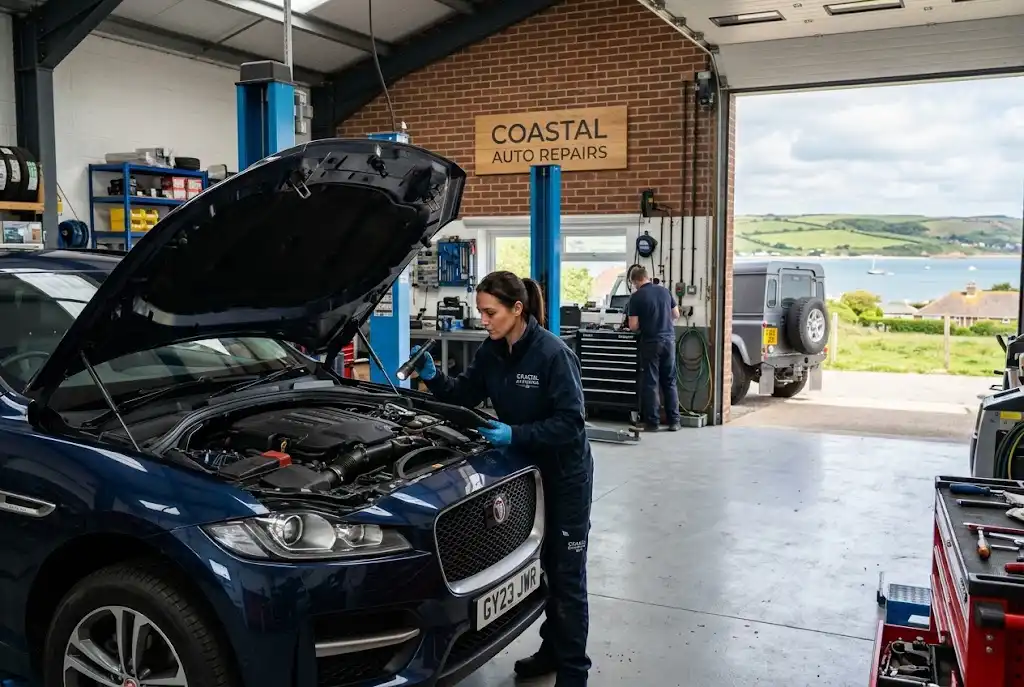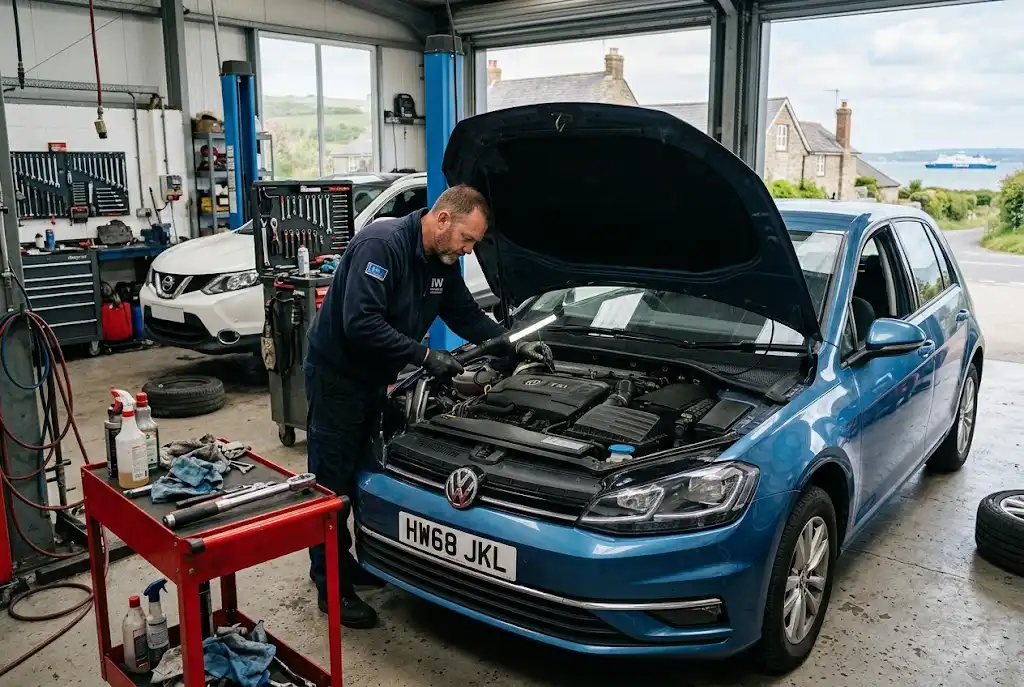
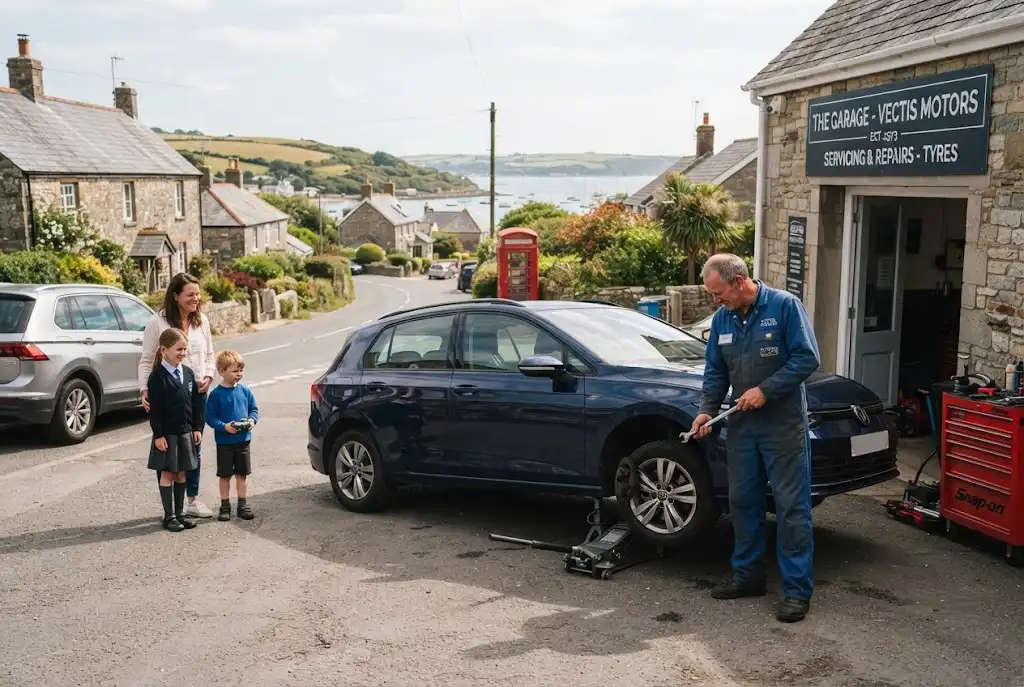

Reliable auto care services can make everyday vehicle ownership easier for families living on the Isle of Wight. Cars often support school runs, commuting, shopping, appointments, leisure trips and journeys between communities, so keeping family vehicles properly maintained is an important part of daily life. A practical approach to servicing, cleaning and preventive checks can help families stay aware of their vehicles’ condition throughout the year.
Island families can have very different transport needs. Some households rely on one vehicle for almost every journey, while others have multiple cars used for different purposes. Rural residents may cover longer distances, while families in towns may make frequent shorter trips. Understanding how a vehicle is actually used makes it easier to organise appropriate maintenance without treating every car in exactly the same way.
Why Auto Care Services Matter for Island Families
Auto care services cover more than fixing a vehicle after a breakdown. They can include routine servicing, inspections, diagnostics, cleaning and repairs designed to keep a vehicle in suitable condition for everyday use.
For a family, an unexpected vehicle problem can disrupt several schedules at once. A car may be needed for work in the morning, school activities during the day and family commitments later. Keeping up with routine maintenance can help identify some developing issues before they cause greater disruption.
Vehicle owners should always follow the maintenance schedule recommended for their particular model. Factors such as mileage, age, driving conditions and vehicle usage can influence what maintenance is appropriate.
Maintaining Family Vehicles for Daily Driving
Family vehicles are often used for a mixture of short and long journeys. School runs, shopping trips and local errands may involve frequent stops and starts, while weekends can involve longer drives around the Island or journeys that include ferry travel.
Different patterns of use can affect maintenance requirements. A vehicle covering substantial mileage may reach service intervals more quickly, while a car used mainly for short trips still needs appropriate maintenance even if its annual mileage is relatively low.
Simple checks can also help families stay informed. Drivers can monitor tyre condition and pressure, lights, fluid levels, windscreen condition and dashboard warning lights. These checks do not replace professional servicing, but they can help identify situations that deserve further attention.
Auto Care Services for Local Commuting
Many residents use their vehicles for local commuting, whether travelling between towns, villages or workplaces. A dependable car can be particularly important when public transport does not fit a person’s working hours or route.
Commuters should consider their typical mileage when planning servicing. Keeping a record of service dates and mileage can make it easier to know when scheduled maintenance is approaching.
Drivers who notice changes in braking, steering, acceleration, engine sounds or vehicle handling should not simply wait for the next routine service. Unusual symptoms can have many causes, so professional assessment is appropriate when a vehicle’s behaviour changes unexpectedly.
Rural Transport and Family Vehicle Care
Rural transport can create different practical requirements for island families. Households living outside larger towns may depend heavily on private vehicles for work, education, shopping and essential appointments.
Longer distances between destinations can also make preventative vehicle care particularly useful. A problem that might be inconvenient in a town can become significantly more disruptive when a vehicle is needed for a longer rural journey.
Families can therefore benefit from identifying a suitable local workshop before they actually need urgent assistance. A nearby auto service garage on the Isle of Wight can provide routine servicing and repair support according to the vehicle’s requirements.
Coastal Lifestyles and Vehicle Ownership
The Island’s coastal setting is another consideration for some motorists. A coastal lifestyle may involve regular journeys near the sea, exposure to changing weather and, for some residents, frequent ferry travel.
Coastal exposure does not mean every vehicle will develop corrosion problems, but keeping the exterior clean and monitoring visible areas can form part of sensible vehicle care. Removing accumulated dirt and salt deposits can also make it easier to notice changes in the vehicle’s exterior condition.
For a more detailed look at this subject, families can explore vehicle maintenance for coastal conditions. The principles discussed there can complement normal manufacturer-recommended servicing.
Vehicle Cleaning as Part of Family Car Care
Vehicle cleaning is often viewed primarily as a cosmetic task, but regular cleaning can also make routine inspections easier. Dirt, road grime and other deposits can hide small changes in a vehicle’s exterior, while a clean windscreen, mirrors and lights can support good visibility.
Families can establish a simple cleaning routine that suits how frequently the vehicle is used. After particularly wet, muddy or salty journeys, cleaning the exterior may be especially useful.
Interior cleaning also matters. Family cars can accumulate food debris, dirt, moisture and general wear quickly, particularly when they are used for children, pets or frequent daily trips. Keeping the cabin clean can make the vehicle more pleasant to use and can help owners notice issues such as dampness or damaged interior materials.
Practical Maintenance for Busy Families
One of the biggest challenges for family vehicle owners is finding time for maintenance. Busy schedules can make it tempting to postpone routine checks until a warning light appears or a noticeable problem develops.
A simple maintenance calendar can make the process easier. Families can record the next service date, MOT date, tyre checks and any recommended repairs. Setting reminders can help prevent important dates from being forgotten.
It is also useful to keep servicing and repair documentation together. A clear record helps owners understand the vehicle’s history and can provide useful information when discussing future work with a mechanic.
Choosing Local Auto Care Services
When selecting auto care services, families should consider what support they actually need. Some garages specialise in particular types of work, while others provide broader servicing and repair facilities.
Before booking, motorists can ask whether the business provides the required service, how problems are diagnosed and how recommended repairs will be explained. Clear communication can help families understand what work is necessary and why.
Local garages can also be convenient because they may reduce the amount of travel required for routine servicing. For island families, having suitable automotive support within the local community can make vehicle maintenance easier to fit around everyday responsibilities.
Family Vehicles and Preventive Maintenance
Practical maintenance is most effective when it is treated as an ongoing process rather than a one-off activity. Regular servicing, visual checks and prompt investigation of unusual symptoms can all contribute to responsible vehicle ownership.
Common areas that may need attention include tyres, brakes, battery condition, fluids, lights, suspension, steering and windscreen components. The appropriate inspection and replacement schedule depends on the individual vehicle.
For families with more than one car, it can help to maintain a separate record for each vehicle. This prevents service information from becoming mixed together and makes it easier to plan upcoming work.
Handling Unexpected Vehicle Problems
Even well-maintained vehicles can develop unexpected faults. When that happens, families should assess whether the vehicle can be driven safely or whether professional assistance is required.
Warning lights, significant braking problems, steering issues, major fluid leaks or unusual engine behaviour can warrant prompt professional attention. Drivers should avoid taking unnecessary risks simply to reach a garage.
For suitable repairs, local auto repair services across the Isle of Wight can provide professional assistance. Where a vehicle cannot conveniently be taken to a workshop, a mobile auto service may be an option for certain types of work.
Managing Island Ownership Costs
Vehicle ownership involves more than fuel and insurance. Servicing, tyres, repairs, cleaning and other maintenance requirements all contribute to the overall cost of running a car.
Planning routine maintenance can make these expenses easier to anticipate. Although unexpected repairs cannot always be avoided, keeping a vehicle serviced and responding to developing issues promptly may help reduce the risk of allowing a relatively small issue to become more complicated.
Families can also compare maintenance requirements when deciding how to manage multiple vehicles. The most appropriate approach depends on each vehicle’s condition, usage and manufacturer’s recommendations.
Auto Care Services for Different Family Needs
There is no single vehicle-care routine that works for every household. A family using one car for daily commuting may have different requirements from a household with separate vehicles for school runs and longer journeys.
Similarly, rural families may cover more miles than households that live close to schools, shops and workplaces. Understanding these differences allows vehicle owners to focus on the maintenance that actually applies to their circumstances.
The key is consistency. Keeping up with scheduled servicing, checking the vehicle regularly and addressing unusual symptoms promptly can create a more organised approach to family car ownership.
Supporting Everyday Island Life
Cars are closely connected to everyday life for many Isle of Wight families. Reliable transport helps people reach work, education, shops, healthcare appointments, leisure activities and other destinations across the Island.
Local automotive businesses support this routine by providing services that help motorists maintain their vehicles. Choosing an appropriate garage and establishing a sensible maintenance schedule can therefore benefit both individual households and the wider network of local businesses.
For drivers who need help beyond routine family vehicle care, understanding the available local vehicle repair options can make it easier to respond when a problem develops.
Conclusion
Auto care services can play an important role in helping Isle of Wight families manage dependable everyday transport. From routine servicing and vehicle cleaning to preventive inspections and professional repairs, a consistent approach can make vehicle ownership easier to organise.
Family vehicles often support many different aspects of daily life, making maintenance worth planning rather than leaving entirely until something goes wrong. Drivers should follow their vehicle manufacturer’s maintenance recommendations, keep useful service records and seek professional advice when they notice significant changes in performance.
With practical maintenance and suitable local automotive support, families can look after their vehicles while continuing to meet the demands of commuting, rural transport, coastal lifestyles and everyday island living.