

Regular vehicle maintenance is important for every driver, but motorists living on the Isle of Wight may have additional environmental and driving conditions to consider. Coastal weather, moisture, salt exposure, ferry travel and changing seasonal conditions can all form part of everyday vehicle use. Understanding these factors can help drivers take a more proactive approach to looking after their cars.
Coastal conditions do not automatically cause mechanical problems, and every vehicle responds differently to its environment. However, regular inspection and cleaning can help owners identify corrosion, wear and other issues at an early stage. For Isle of Wight residents, combining normal manufacturer-recommended servicing with sensible coastal care can support vehicle longevity and dependable everyday transport.
Why Vehicle Maintenance Matters Near the Coast
Vehicle maintenance involves more than repairing a car after a fault develops. Routine servicing, inspections and cleaning can help owners understand the condition of important components and address problems before they become more disruptive.
Vehicles used in coastal environments can be exposed to moisture and airborne salt. Salt and moisture can contribute to corrosion when they remain on exposed metal surfaces over time. The extent of any effect depends on factors such as exposure, vehicle condition, storage and cleaning habits.
This is why coastal motorists may benefit from paying attention to areas where dirt and moisture can accumulate. A visual inspection does not replace professional servicing, but it can help drivers notice changes that deserve further attention.
Understanding Salt Air Protection
Salt air protection is particularly relevant to vehicles regularly used near the sea. Salt deposits can settle on exterior surfaces and, when combined with moisture, may contribute to corrosion on susceptible materials.
Regularly washing a vehicle can help remove accumulated road dirt and salt deposits. Drivers should pay attention to the underside and other areas that are exposed to road spray, while following suitable cleaning methods for their particular vehicle.
It is also useful to inspect visible metal components for signs of corrosion. Small areas of surface corrosion should not automatically be treated as a major structural problem, but changes should be monitored and professionally assessed when appropriate.
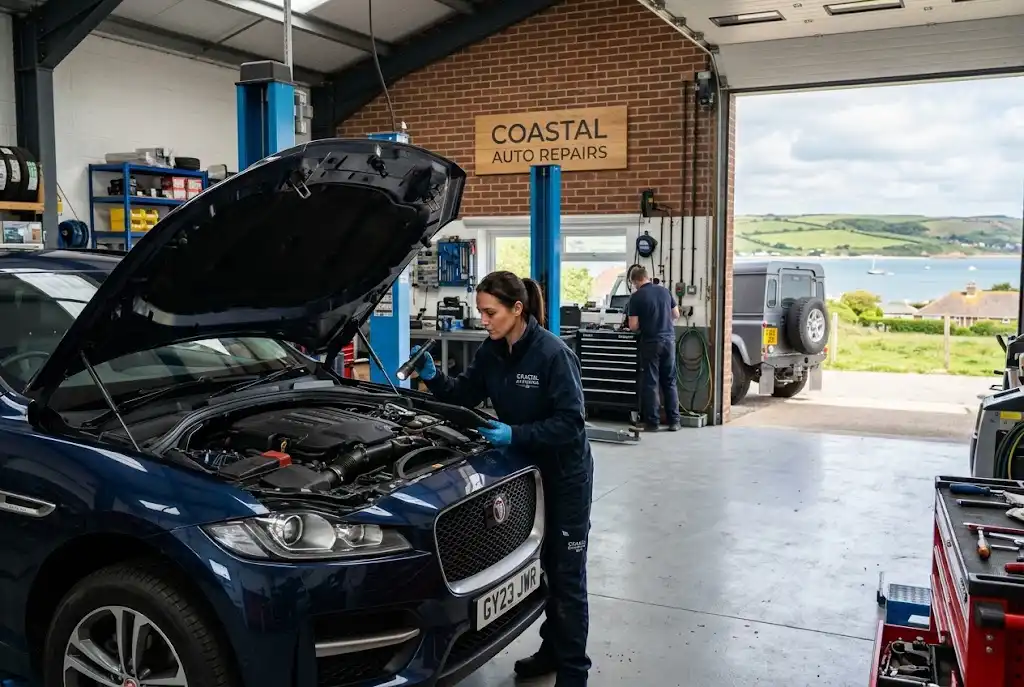
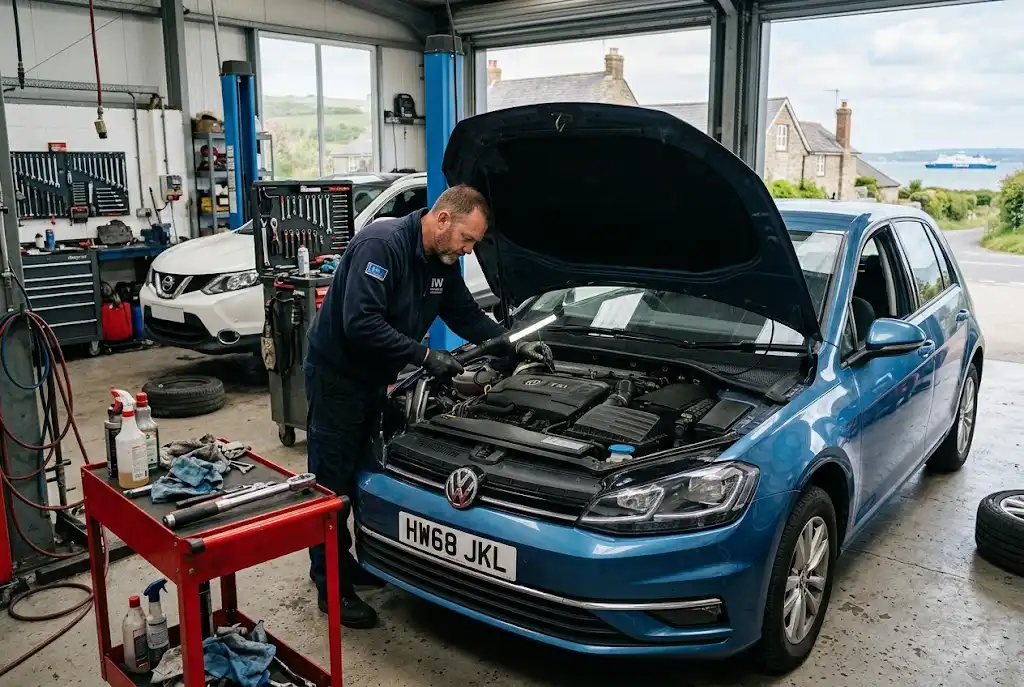
For drivers who want broader support from a local workshop, an auto service garage on the Isle of Wight can provide routine inspections and servicing according to the vehicle’s requirements.
Coastal Weather and Everyday Driving
Coastal weather can change quickly, making it useful for motorists to keep their vehicles prepared for different conditions. Rain, strong winds, colder temperatures and reduced visibility can all influence driving conditions, even though they are not unique to coastal areas.
Drivers should pay particular attention to tyres, windscreen condition, wiper blades, lights and fluid levels. Good visibility and adequate tyre condition are important throughout the year, while seasonal checks can help identify components that may need attention.
Weather-related vehicle care should be part of a broader maintenance routine rather than treated as a separate activity. Following the manufacturer’s recommended service schedule remains important regardless of where a vehicle is driven.
Ferry Travel and Vehicle Care
Regular ferry travel is an everyday consideration for some Isle of Wight motorists. A vehicle that frequently travels between the Island and mainland may experience a different pattern of use from one that remains on the Island.
Ferry journeys themselves do not necessarily create unusual mechanical demands, but the overall travel pattern can involve longer journeys, waiting periods, different road conditions and increased exposure to moisture or marine environments.
Drivers who frequently use ferry services should therefore continue to monitor normal maintenance items such as tyres, brakes, fluids, lights and battery condition. If a car is used heavily for mainland commuting, mileage-based service intervals may also become particularly important.
Rust Prevention for Island Vehicles
Rust prevention starts with keeping track of the vehicle’s condition. Corrosion can develop when susceptible metal surfaces are exposed to moisture and contaminants over time. Road salt used during colder weather can also contribute to corrosion-related concerns.
Cleaning the vehicle regularly can help reduce the accumulation of contaminants. Owners should also avoid ignoring visible changes such as bubbling paint, damaged protective coatings or areas of corrosion underneath the vehicle.
Professional assessment is important when corrosion appears significant or affects components that are important to the vehicle’s structure or safety. A garage can determine whether an area requires monitoring, treatment or further repair.
Seasonal Maintenance for Isle of Wight Drivers
Seasonal maintenance provides an opportunity to check components that may be particularly relevant as weather conditions change. Before colder months, drivers can check tyres, lights, battery condition, screenwash and wiper blades.
During warmer months, attention may shift toward cooling-system checks, air conditioning and tyre condition, alongside the vehicle’s normal service requirements.
Rather than relying on a single annual check, motorists should respond to the actual condition and usage of their vehicle. A car covering high mileage or carrying out frequent long-distance journeys may require more attention than a vehicle used occasionally for short local trips.
Island Roads and Vehicle Wear
Island roads include a mixture of urban streets, rural routes and roads connecting different communities. Different driving environments can affect how vehicles are used, particularly when motorists regularly encounter bends, changes in road surfaces, traffic and varying journey lengths.
Drivers should pay attention to symptoms such as unusual steering behaviour, vibrations, uneven tyre wear, unusual braking noises or changes in ride quality. These signs do not necessarily identify a specific fault, but they can indicate that professional inspection is appropriate.
Regular tyre checks are particularly useful. Drivers should monitor tread condition and tyre pressures according to the vehicle manufacturer’s recommendations and investigate unusual wear patterns.
Preventive Servicing and Vehicle Longevity
Good preventive servicing can contribute to long-term vehicle care. Servicing does not prevent every possible breakdown, but it provides opportunities to inspect important systems and replace maintenance items at appropriate intervals.
Vehicle owners should follow the service schedule specified for their particular model. Factors such as age, mileage, driving conditions and manufacturer recommendations can influence what maintenance is required.
Keeping records of completed work is also helpful. Service histories can make it easier to understand what has already been replaced or inspected and can provide useful information when planning future maintenance.
Cleaning as Part of Coastal Vehicle Care
Regular cleaning can be a simple part of a coastal vehicle-care routine. Removing accumulated dirt, road grime and salt deposits can help keep exterior surfaces cleaner and makes it easier to notice changes in the vehicle’s condition.
Owners should pay attention to areas where deposits may accumulate, including lower bodywork and parts exposed to road spray. Cleaning the vehicle does not replace professional corrosion inspection, but it can support general upkeep.
Drivers should also remember that interior care matters. Damp conditions can contribute to unpleasant odours and moisture-related issues, so keeping carpets, mats and interior surfaces clean and dry can be useful, particularly during wetter periods.
When to Visit a Local Garage
Some vehicle issues can be monitored by owners, while others should be assessed by a qualified professional. Warning lights, unusual noises, fluid leaks, braking changes, steering problems and significant vibration are examples of situations where professional advice may be appropriate.
Local auto repair services across the Isle of Wight can help motorists investigate mechanical problems and carry out appropriate repairs. Establishing a relationship with a suitable local workshop can also make routine servicing easier to manage.
For drivers who cannot easily take a vehicle to a workshop, a mobile auto service across the Island may provide an alternative for certain types of work, depending on the fault and equipment required.
Vehicle Maintenance for Families and Daily Drivers
Coastal vehicle care is not only relevant to enthusiasts or high-mileage motorists. Families and everyday drivers can benefit from a straightforward maintenance routine as well.
A family car may be used for school journeys, shopping, commuting, appointments and weekend trips. Keeping tyres, brakes, lights, fluids and other maintenance items in good condition can help owners manage these daily responsibilities with greater confidence.
For households with multiple vehicles, keeping a simple record of servicing dates and upcoming maintenance can make vehicle ownership easier to organise. This approach can also help prevent important maintenance tasks from being overlooked.
Supporting Long-Term Vehicle Longevity
Vehicle longevity depends on many factors, including the vehicle’s design, age, mileage, driving style, storage conditions and maintenance history. Coastal exposure is only one consideration.
A sensible approach combines manufacturer-recommended servicing with regular checks, appropriate cleaning and prompt attention to developing problems. There is no single maintenance routine that suits every vehicle, so owners should adapt their approach to the specific car and how it is used.
For Isle of Wight motorists, this can mean paying attention to coastal exposure while continuing to follow the same fundamental principles of responsible vehicle ownership. Regular servicing and timely repairs remain the foundation of effective vehicle care.
Conclusion
Effective vehicle maintenance can help Isle of Wight drivers manage the practical demands of everyday motoring in a coastal environment. Salt exposure, moisture, changing weather, ferry travel and varied island roads are useful factors to consider when planning a vehicle-care routine.
Regular cleaning, corrosion awareness, seasonal checks and preventive servicing can all contribute to keeping a vehicle in good condition. Most importantly, coastal considerations should complement rather than replace the manufacturer’s recommended maintenance schedule.
By monitoring their vehicles, responding to warning signs and using suitable local automotive services when professional attention is required, Isle of Wight motorists can take a practical approach to maintaining reliable transport throughout the year.