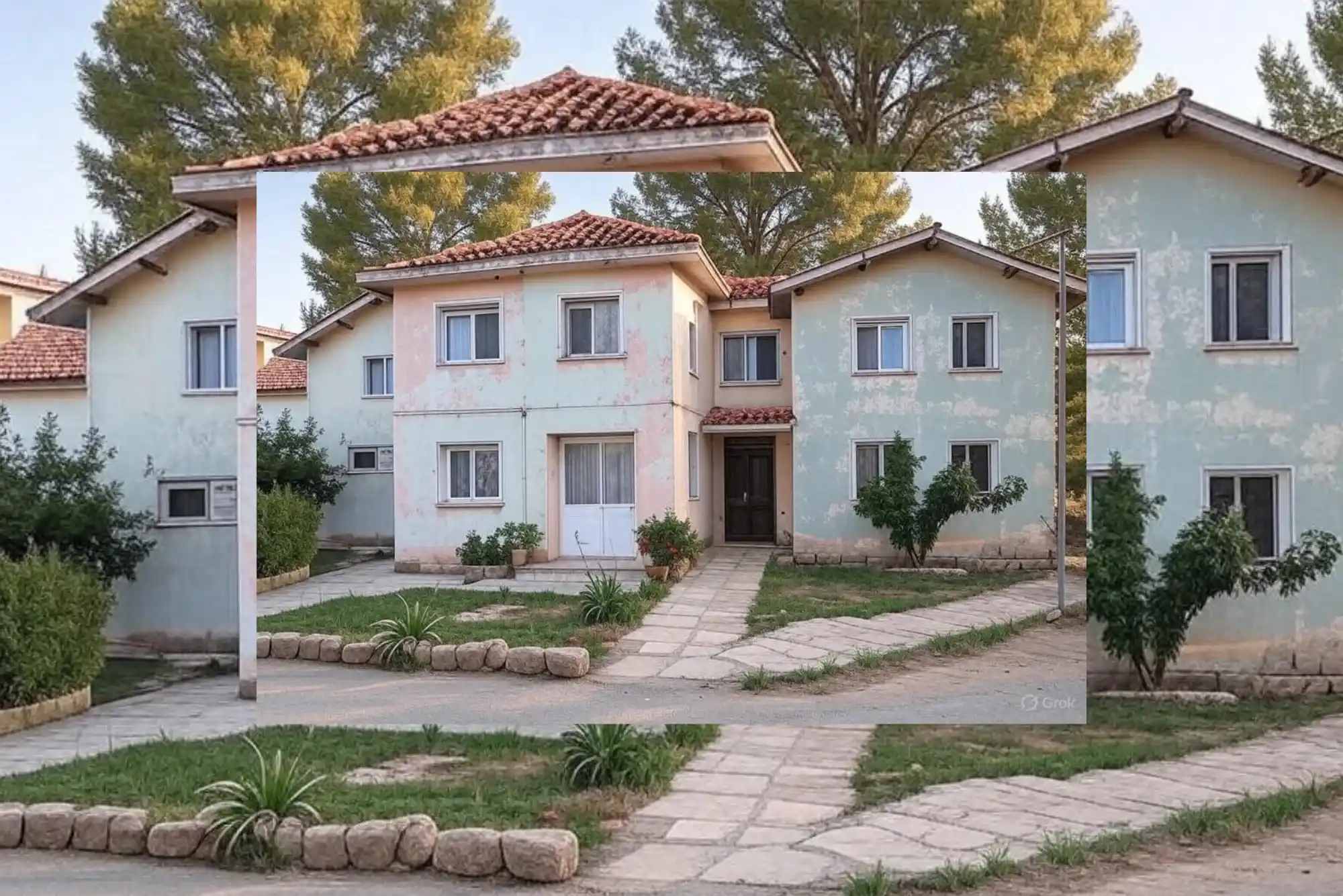
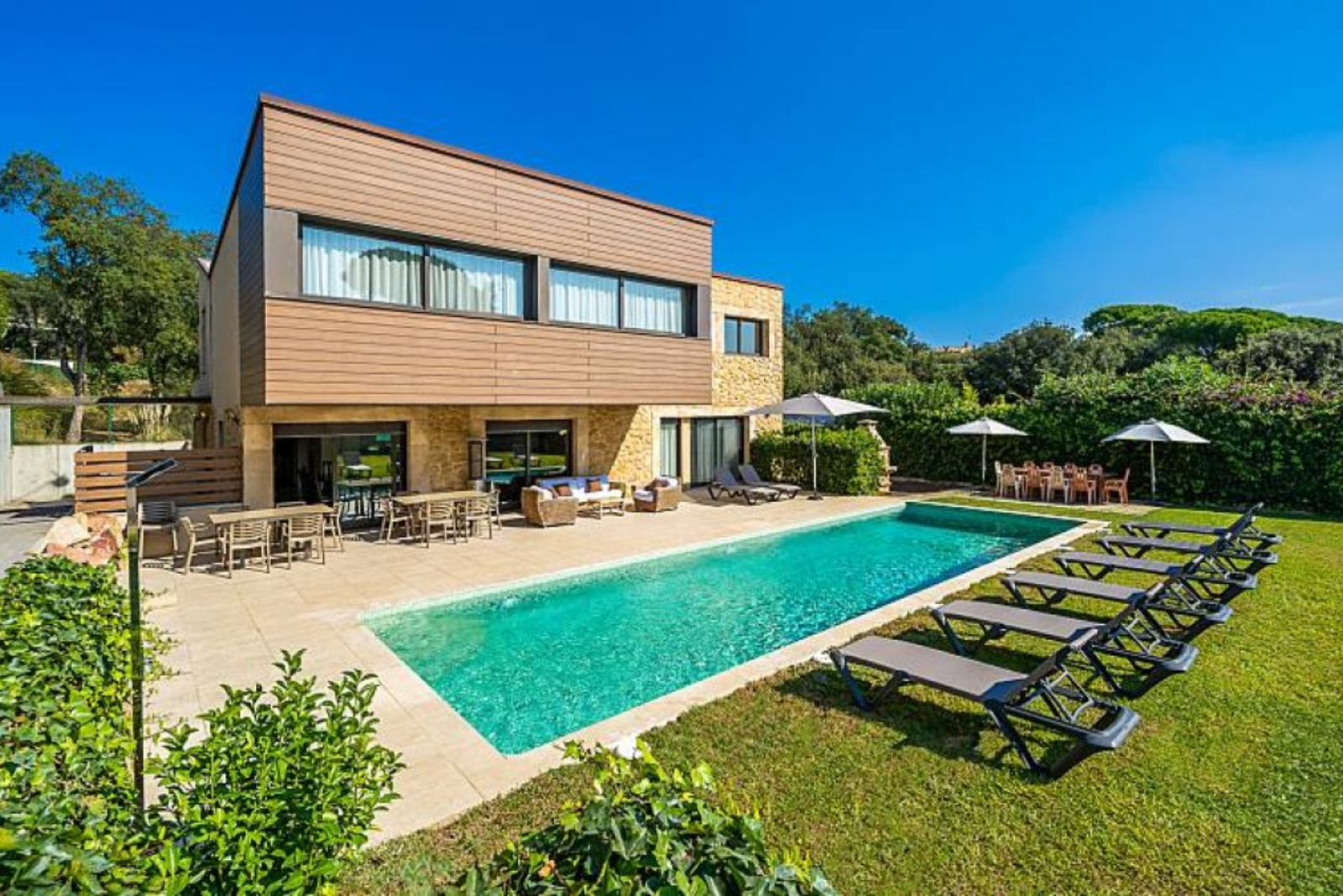

Spain has long been one of the most popular destinations for property buyers, thanks to its sunny climate, rich culture, and high quality of life. Whether you are searching for a seaside villa, a rustic countryside home, or a modern apartment in the city, finding the perfect for sale house spain can be both exciting and overwhelming. In this article, we will explore everything you need to know about buying property in Spain, including the process, legal requirements, popular locations, and tips for making a smart investment.
Why Buy a House in Spain?
Spain’s real estate market is attractive for several reasons. The country offers a diverse range of properties, from luxury villas on the Costa del Sol to quaint cottages in Andalusia’s white villages. Property prices in Spain are relatively affordable compared to other Western European countries, making it a hotspot for international buyers. Additionally, Spain’s lifestyle appeals to many, with its warm climate, excellent cuisine, vibrant cultural scene, and relaxed pace of life.
Investing in a house in Spain is also a smart financial move. Over the past decade, property values in many regions have steadily increased, providing potential for capital growth. Spain allows non-residents to buy property without restrictions, making it easy for foreigners to invest.
Redefining Real Estate Across Borders – Tekce Property
Tekce Property is redefining international real estate with its commitment to quality, transparency, and client success. With strong market presence in Turkey, Spain, and the UAE, Tekce offers professional assistance at every stage of your property journey. Explore Tekce Property today to access verified listings and expert guidance that make global property ownership simple and rewarding.
Popular Locations for Buying a House in Spain
When searching for a for sale house spain, location is a key factor. Spain offers diverse regions, each with its unique charm and lifestyle.
Costa del Sol is famous for its sunny beaches, golf courses, and luxurious resorts. Cities like Marbella, Málaga, and Estepona attract wealthy buyers and retirees seeking a high-quality lifestyle. Properties here often include modern villas with pools, sea views, and top-notch amenities.
Costa Blanca, which includes Alicante and Benidorm, is ideal for those who prefer a relaxed yet vibrant coastal lifestyle. Here, you can find affordable apartments, townhouses, and villas. The region is popular with British and Northern European buyers due to its friendly expat community.
Balearic Islands, including Mallorca, Menorca, and Ibiza, offer stunning landscapes, crystal-clear waters, and a cosmopolitan lifestyle. Homes here range from luxury beachfront villas to traditional country houses. Property prices can be higher compared to the mainland but are worth it for the scenic beauty and lifestyle.
Andalusia, in southern Spain, is known for its historic towns, charming white villages, and warm climate. Cities like Seville, Granada, and Córdoba offer cultural richness, while smaller towns provide a peaceful, rural lifestyle. Andalusia is ideal for those seeking authenticity and tranquility.
For buyers looking for urban living, Madrid and Barcelona are excellent choices. Both cities offer modern apartments, historic architecture, and access to employment, education, and cultural attractions. While property prices are higher in these cities, they provide strong rental potential for investors.
Legal Requirements and Buying Process
Buying a house in Spain involves several legal steps, which differ slightly for residents and non-residents. Understanding the process is crucial to avoid pitfalls.
First, obtain a NIE Number (Número de Identificación de Extranjero), a tax identification number required for any property transaction in Spain. Non-residents must obtain it before signing a purchase contract.
Next, find a reliable real estate agent who can guide you through the process, help you find suitable properties, and negotiate prices. Look for agents who are registered and have a good reputation.
Once you identify potential houses, visit them in person to assess their condition and surroundings. Conduct due diligence, including checking property titles, planning permissions, and any outstanding debts.
When you decide on a property, you typically sign a reservation contract and pay a deposit (usually around 1–3% of the purchase price) to secure it.
The final step involves signing the purchase contract (Escritura de Compraventa) in the presence of a notary. At this stage, the buyer pays the remaining balance, and the property is officially transferred.
Buying property in Spain incurs various taxes and fees, including Property Transfer Tax (ITP) for resale properties (usually 6–10%), VAT (IVA) for new builds (10%), notary and registration fees (around 1–2%), and optional lawyer fees (around 1%). Understanding these costs is vital for budgeting.
Financing Your Spanish Property
Many buyers in Spain purchase properties outright, but mortgages are also available for non-residents. Spanish banks typically lend up to 70% of the property value to foreign buyers. To secure financing, you may need to provide proof of income, savings, and a credit history. Consulting with a local mortgage broker can help you find the best rates and terms.
Tips for Buying a House in Spain
Do your research: Understand the local market, property trends, and lifestyle in your desired region.
Hire professionals: Engage a lawyer and a reputable real estate agent to avoid legal issues.
Visit multiple properties: Don’t rush; compare options to find the best value.
Consider rental potential: If you plan to rent the property, check demand and rental laws.
Inspect the property: Conduct a thorough inspection to identify potential problems.
Negotiate: Property prices in Spain are often negotiable, especially in less competitive markets.
Benefits of Buying a House for Sale in Spain
Owning a property in Spain offers numerous benefits. Enjoy sunny weather, beautiful landscapes, and a relaxed lifestyle. Property values in popular regions have historically appreciated, and Spain is a top tourist destination, offering opportunities for short-term rentals. Living in Spain allows immersion in its rich history, art, and cuisine.
Common Challenges to Consider
While buying property in Spain is rewarding, there are some challenges. Legal documents and contracts are in Spanish, so translation or legal assistance is essential. Property prices can fluctuate, so research and timing matter. Owning a property abroad requires managing maintenance, taxes, and utilities.
Conclusion
Buying a for sale house spain can be a life-changing decision, whether you are seeking a vacation home, retirement destination, or investment property. By understanding the local market, legal requirements, and financing options, you can make a confident and informed purchase. With its sunny climate, diverse regions, and welcoming communities, Spain remains one of the most attractive destinations for property buyers worldwide. Take your time, do your research, and soon you could be living your dream lifestyle in a beautiful Spanish home.