
Beauty trends UK consumers follow are changing quickly, with social media, ingredient-focused skincare, innovative products and shifting attitudes towards makeup all influencing what becomes popular. In 2026, beauty is less about following one universal look and more about choosing products, techniques and routines that fit individual lifestyles. From viral TikTok beauty trends to emerging skincare ingredients, the UK market continues to reflect both global influences and distinctly local preferences.
The speed at which trends develop can make the beauty industry exciting, but it can also make it difficult to separate genuinely useful ideas from short-lived hype. Understanding why a trend is becoming popular, what type of consumer it suits and whether there is meaningful value behind the marketing can make beauty choices more informed.
Why Beauty Trends UK Consumers Follow Keep Changing
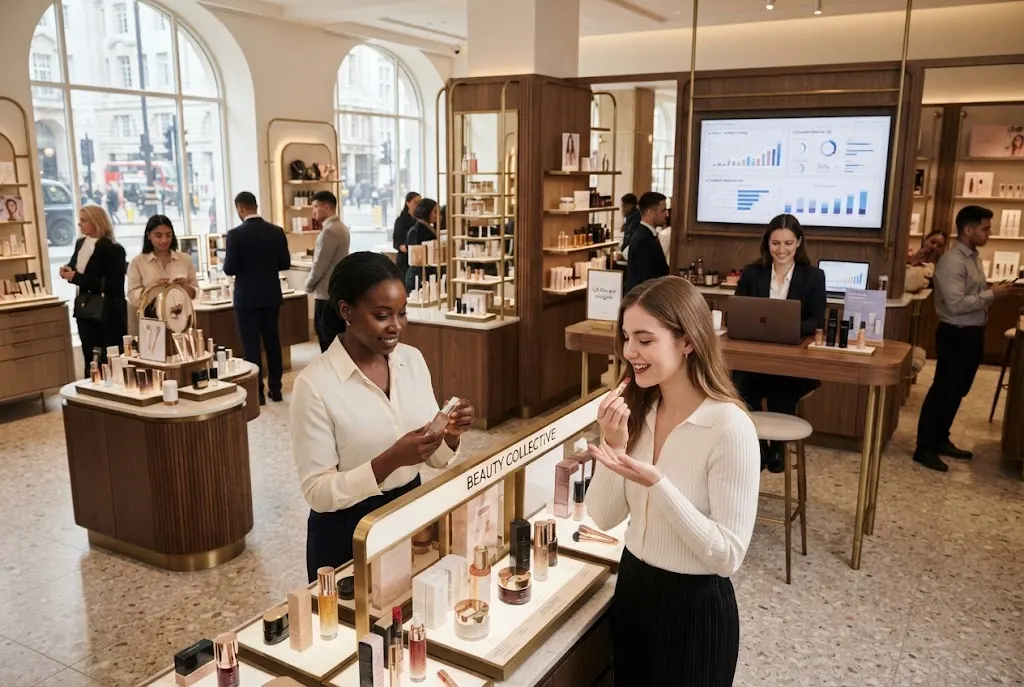
The modern UK beauty landscape is influenced by several forces at once. Social platforms can introduce a product to millions of people almost instantly, while established beauty retailers continue to shape purchasing habits through launches, recommendations and in-store experiences.
Consumer priorities are changing too. Many shoppers want products that are convenient, easy to understand and suited to their individual concerns. Others are increasingly interested in ingredients, sustainability, product transparency and the experience surrounding a beauty purchase.
This creates a market where a trend can begin with a creator, gain attention through short-form video, appear in searches and then move into mainstream retail. However, popularity does not automatically mean that a product or technique is suitable for everyone.
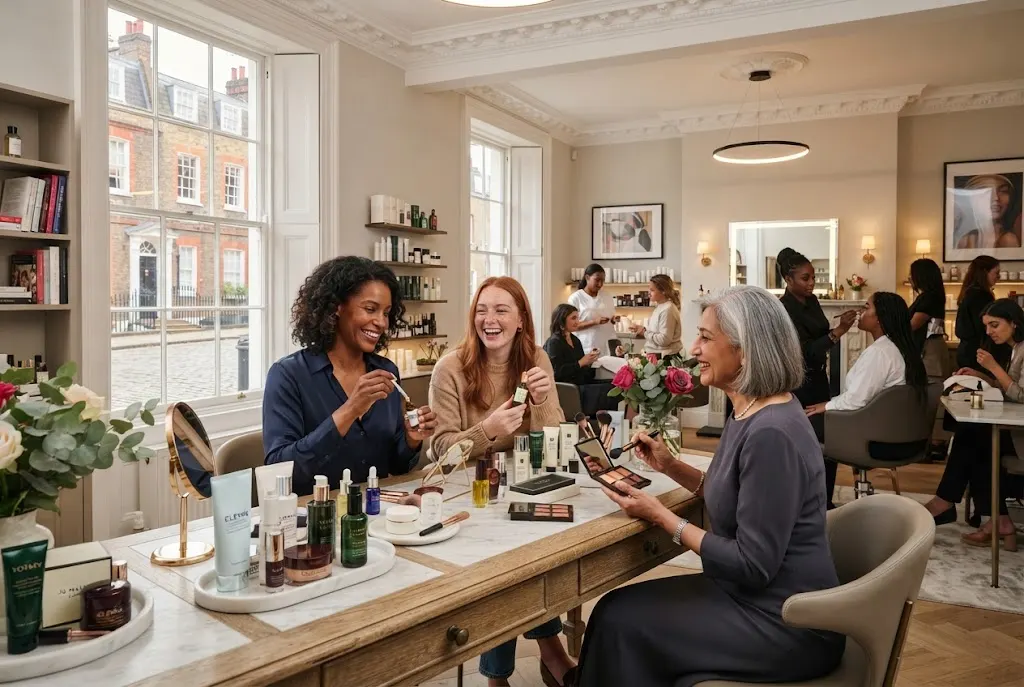
The UK capital remains an important part of this conversation. The London beauty scene brings together international brands, independent businesses, professionals and highly diverse consumers, making the city an influential environment for new beauty ideas.
Beauty Trends UK Consumers Are Watching in 2026
Beauty trends UK audiences are encountering in 2026 cover skincare, makeup, haircare, fragrance and beauty technology. Some trends are extensions of ideas that have been developing for several years, while others are driven primarily by social media culture.
Rather than treating every trend as a must-have, it is more useful to look at the broader themes behind them. Personalisation, simplified routines, ingredient awareness and multifunctional products are examples of themes that can remain relevant even when individual viral products disappear.
Skincare-Led Beauty
One of the strongest ongoing themes is the relationship between skincare and makeup. Consumers increasingly want makeup that works comfortably with their existing skincare routine and creates a natural-looking finish.
This does not mean traditional makeup is disappearing. Instead, the distinction between skincare and makeup is becoming less rigid. Products can be positioned around hydration, comfort, glow and skin appearance while still functioning primarily as cosmetics.
More Focused Skincare Routines
Skincare trends are also moving towards greater selectivity. Instead of automatically adding multiple products to a routine, consumers may prefer to identify specific needs and choose fewer products that have a clear purpose.
This approach can make routines easier to maintain and understand. It also encourages shoppers to consider whether they actually need a new product before purchasing it.
TikTok Beauty Trends and the Rise of Viral Products
TikTok beauty trends can move from relative obscurity to mainstream attention at remarkable speed. A product demonstration, before-and-after video, makeup technique or unusual application method can attract large audiences within a short period.
Viral beauty content is powerful because it combines entertainment with practical demonstrations. Instead of simply reading about a product, viewers can see how it looks, how it is applied and how another person incorporates it into a routine.
However, social content should be treated as inspiration rather than proof. Lighting, filters, editing, individual skin characteristics and application techniques can all affect how a result appears on screen.
It is also worth remembering that creators may have commercial relationships with brands. When evaluating promotional beauty content, consumers should consider whether advertising or sponsorship has been disclosed and whether the claims being made are supported by reliable information.
Trending Beauty Products: From Viral Hits to Everyday Staples
Trending beauty products often follow a predictable path. A new product attracts attention online, creators demonstrate it, consumers begin searching for it and retailers respond to demand. If the product provides a genuinely useful experience, it may remain popular after the original social media excitement fades.
Other products have much shorter lifespans. Their appeal may depend on novelty, unusual packaging or a particularly shareable application technique.
This distinction matters when deciding what to buy. A viral product can be enjoyable, but consumers should still consider its ingredients, intended use, price, suitability and the claims made about it.
For people building a beauty routine, long-term usefulness is often more valuable than simply owning the latest product featured online.
Skincare Trends and the Growing Interest in Ingredients
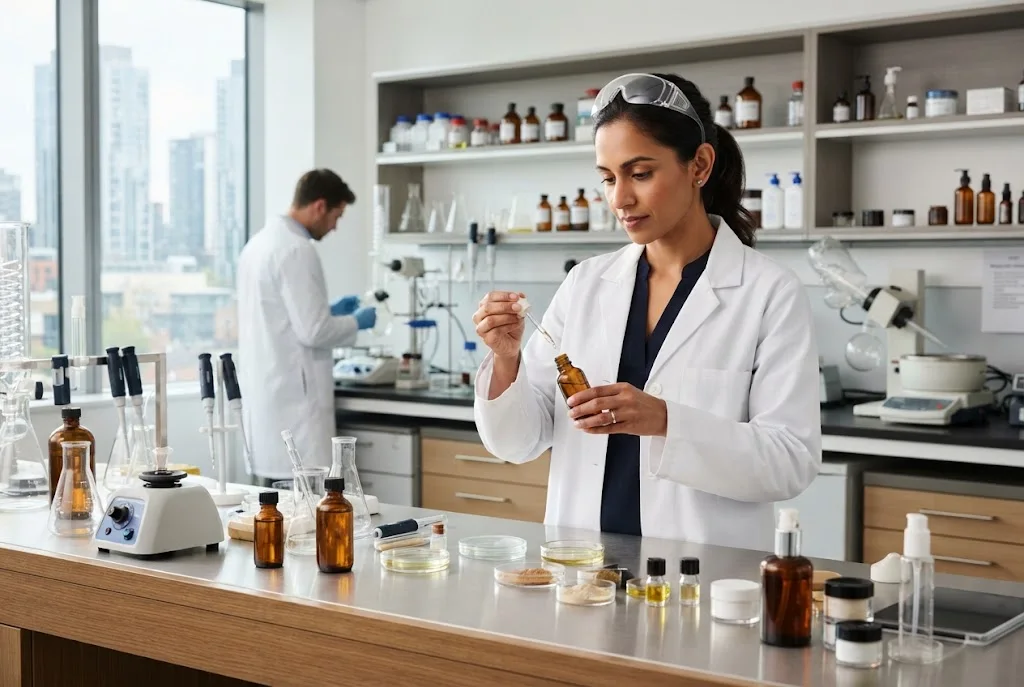
Skincare trends are increasingly connected to conversations about ingredients. Consumers are becoming more familiar with terms used on cosmetic packaging and are often searching for specific ingredients before choosing a product.
This has encouraged brands to communicate around individual ingredients and their role in a routine. Yet ingredient popularity can sometimes become detached from context. An ingredient’s presence in a product does not by itself explain how effective that particular formulation will be.
Formulation, concentration, product type, frequency of use and individual tolerance can all influence the experience. Therefore, shoppers should avoid assuming that a fashionable ingredient automatically makes one product better than another.
For a deeper look at the evidence behind beauty claims, the broader topic of beauty research provides a useful next step beyond social media recommendations.
Trending Beauty Ingredients
Trending beauty ingredients can become popular for many reasons. Some gain attention because of emerging research, while others are promoted heavily by brands or discussed repeatedly by creators.
Consumers should therefore distinguish between an ingredient being fashionable and an ingredient being supported by meaningful evidence for a particular use. Product labels and credible professional sources can provide more useful context than a viral post alone.
Makeup Trends UK Consumers Are Exploring
Makeup trends in the UK continue to move between subtle everyday looks and more expressive styles. Natural-looking complexions, soft definition and lightweight finishes can sit alongside colourful eyes, statement lips and creative experimentation.
This variety reflects a wider change in how people approach makeup. Instead of one dominant aesthetic controlling the market, consumers can choose from several visual styles depending on occasion, mood and personal preference.
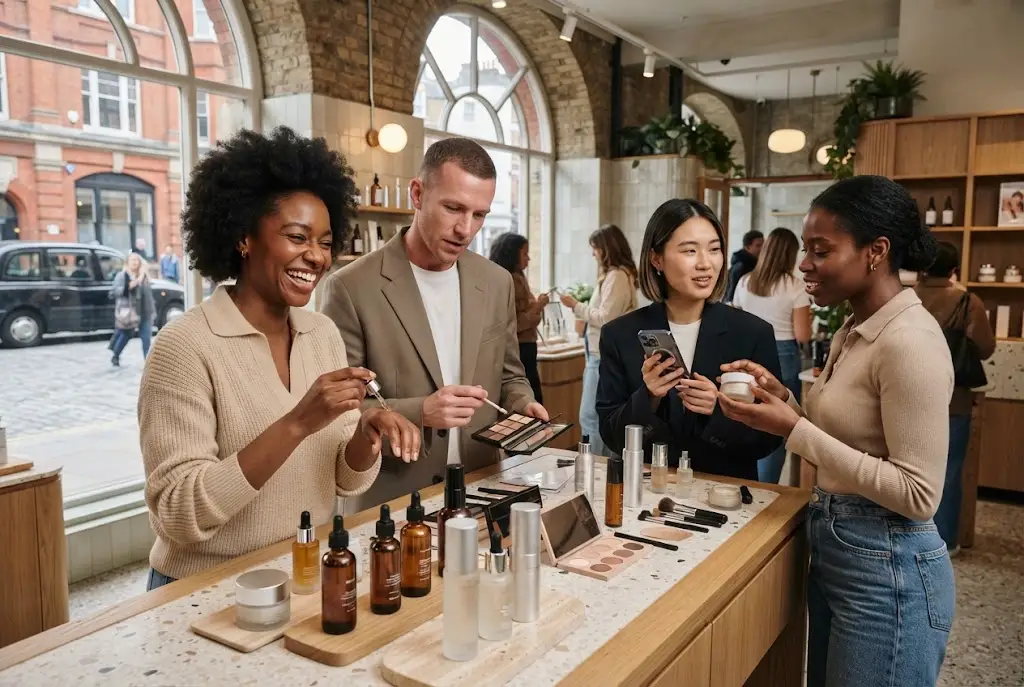
Social platforms have also made techniques easier to discover. Application tutorials can introduce consumers to new ways of using familiar products, while professional makeup artists and creators can demonstrate techniques that were previously difficult to find outside specialist communities.
Are Viral Beauty Trends Worth Trying?
Not every viral beauty trend deserves a place in your routine. Before trying one, consider what the trend is supposed to achieve and whether the method is appropriate for your skin, hair or personal circumstances.
A simple product application technique may carry relatively little concern, while a trend involving aggressive exfoliation, inappropriate product combinations or an advanced cosmetic procedure deserves much greater caution.
It is also important to consider the difference between entertainment and professional advice. A short video is designed to capture attention, not necessarily to provide a complete explanation of risks, limitations or suitability.
- Check what the product or technique is actually intended to do.
- Read the product information before using it.
- Consider whether it is suitable for your individual needs.
- Be cautious about dramatic claims or guaranteed results.
- Research unfamiliar ingredients or treatments from reliable sources.
- Do not copy potentially risky procedures simply because they are trending online.
Beauty Technology Is Changing the UK Experience
Beauty technology is another area worth watching. Digital consultations, personalised product recommendations, online shade-matching tools and technology-assisted beauty services are changing how consumers discover and purchase products.
Technology can make shopping more convenient, particularly when consumers are comparing large numbers of products. At the same time, recommendations generated by digital tools should still be treated as guidance rather than an unquestionable assessment of individual needs.
The development of beauty technology also connects with broader questions about data, personalisation and how brands understand consumers. As these tools become more sophisticated, transparency about how recommendations are generated may become increasingly important.
Beauty Trends UK and the Shift Towards Personalisation
One of the most important developments across beauty trends UK consumers encounter is the move towards personalisation. Instead of asking what everyone should be wearing or using, consumers are increasingly asking what works for them.
This shift can be seen in skincare routines, makeup choices, haircare, fragrance and professional treatments. Personalisation allows consumers to take inspiration from trends without feeling obligated to copy them exactly.
It also creates space for different beauty cultures and traditions. The UK’s diverse communities contribute their own approaches to grooming, skincare, haircare and makeup, creating a much broader beauty landscape than a single trend cycle can represent.
For wider context, exploring British beauty culture helps explain how trends interact with established habits, regional influences and changing attitudes towards appearance across the country.
How to Follow Beauty Trends Without Overspending
Following beauty trends does not require replacing an entire collection every season. A more sustainable approach is to identify which trends genuinely add something useful to an existing routine.
For example, a new makeup technique may work with products you already own. A skincare trend may simply encourage you to reconsider how you use existing products. Likewise, a viral colour or finish can often be explored through a small purchase rather than an entire collection.
Before buying, ask whether the product solves a real problem, complements your current routine and is likely to remain useful after the trend loses attention. This simple test can reduce impulse purchases while still leaving room for experimentation.
The Difference Between a Trend and a Lasting Beauty Shift
Not every popular beauty idea becomes a lasting change. Trends based mainly on novelty can disappear quickly, while broader consumer preferences tend to have greater staying power.
A trend becomes more significant when it reflects a genuine change in behaviour. Greater interest in ingredient information, personalised routines, multifunctional products or digital beauty services, for instance, can influence how the industry operates long after a particular viral product has disappeared from social feeds.
This is why looking beyond individual products is useful. The most interesting beauty developments are often the underlying changes in consumer expectations.
What Beauty Trends UK Audiences May Take Forward
The UK beauty market is likely to remain highly responsive to social media, innovation and changing consumer priorities. Yet the strongest trends may not necessarily be the loudest ones.
Consumers are becoming more selective about what earns a place in their routines. Convenience, personal relevance, product experience and confidence in beauty information can all influence purchasing decisions.
Meanwhile, creators and brands will continue introducing new products and techniques. Some will become lasting parts of everyday beauty, while others will simply provide a moment of entertainment and experimentation.
Final Thoughts on Beauty Trends UK
Beauty trends UK consumers encounter in 2026 reflect a market that is fast-moving but increasingly personal. TikTok and other social platforms can accelerate trends, while skincare research, ingredient conversations, retail innovation and changing cultural preferences help shape what happens next.
The smartest way to approach trends is not to ignore them or follow all of them. Instead, use them as a source of ideas, then evaluate products and techniques according to your own needs.
That balance allows consumers to enjoy the creativity of modern beauty while making thoughtful decisions. As the UK beauty landscape continues to evolve, the most valuable trend may ultimately be a simple one: choosing beauty products and routines with greater awareness rather than simply following what is popular.