
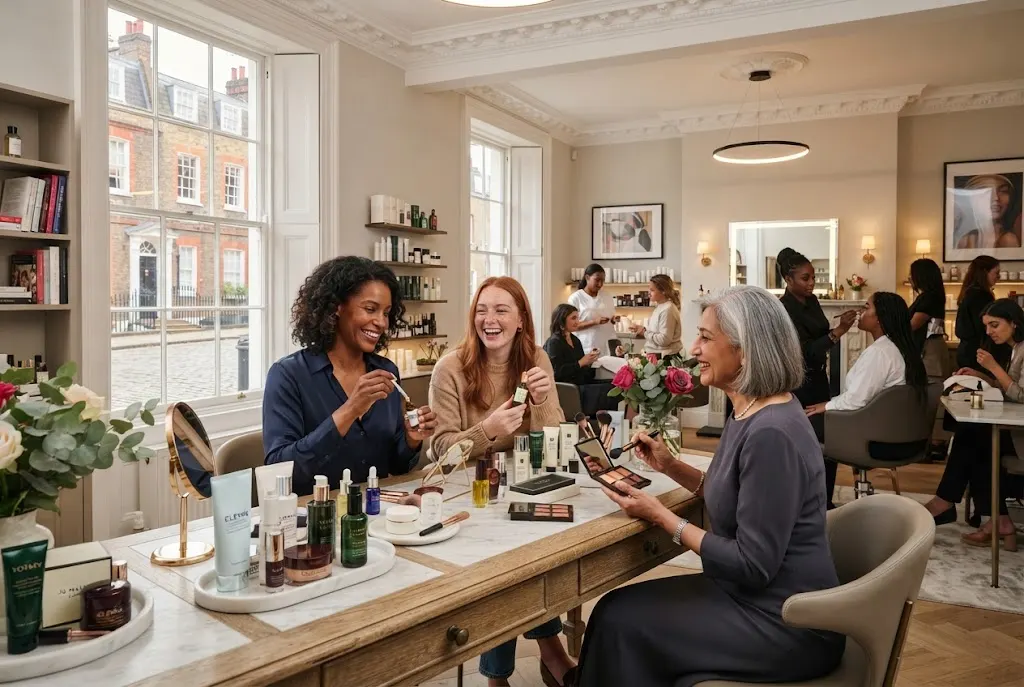
British beauty culture has developed through a combination of tradition, regional identity, international influence and changing attitudes towards personal appearance. From classic grooming routines and familiar cosmetics to contemporary skincare, social media trends and diverse beauty practices, beauty in Britain has never been defined by one single look. Instead, it reflects the habits and preferences of a population shaped by different communities, generations and cultural influences.
Today, British beauty culture sits at the intersection of established traditions and rapid innovation. Consumers can discover global beauty products through UK retailers, follow international trends on social media and still maintain routines influenced by family habits or local preferences. Understanding this mixture provides a useful perspective on how beauty has evolved across Britain.
What Is British Beauty Culture?
British beauty culture refers to the attitudes, routines, products, traditions and social influences that shape how people in Britain approach beauty and personal grooming. It includes everyday skincare, makeup, haircare, fragrance, grooming and professional beauty services, as well as the cultural ideas surrounding appearance.
It is important to avoid treating Britain as having one universal beauty standard. Preferences can vary significantly according to age, location, community, lifestyle and personal taste. What is considered fashionable in one part of the country may have little influence elsewhere.
At the same time, national retailers, television, magazines, celebrities, beauty professionals and social media platforms have helped create shared beauty conversations. These overlapping influences give UK beauty culture both common characteristics and considerable diversity.
How British Beauty Culture Has Evolved
Beauty habits in Britain have changed alongside wider social developments. Products that were once associated with special occasions became increasingly accessible through high-street retail, while professional salon services became a familiar part of personal grooming for many consumers.
Later, the growth of online shopping and social media transformed how people discover beauty products. Consumers no longer depend solely on traditional advertising or local recommendations. They can compare products, watch tutorials, follow international creators and learn about ingredients from sources around the world.
This has made British beauty culture more connected to global beauty conversations while retaining local characteristics.
British Beauty Traditions That Still Influence Modern Routines
British beauty traditions can be subtle because many have become ordinary parts of everyday life. Grooming routines, fragrance preferences, salon visits and approaches to makeup can be passed between generations without necessarily being described as formal traditions.
Classic ideas around polished presentation remain visible in some areas of British beauty. At the same time, modern consumers increasingly interpret those traditions according to their own lifestyles rather than following them rigidly.
This balance between familiarity and personal choice is one of the defining characteristics of contemporary beauty in Britain.
The Role of Everyday Grooming
Grooming is an important part of beauty culture because it often sits between appearance, confidence and practicality. Haircuts, skincare, nail care, shaving, fragrance and makeup can all form part of a routine without being connected to a particular fashion trend.
These everyday practices can be more culturally significant than short-lived viral trends because they are repeated over long periods and often become closely connected to personal identity.
UK Beauty Culture Is Becoming More Diverse
Modern UK beauty culture reflects the country’s diverse communities. Different cultural traditions contribute approaches to haircare, skincare, makeup, fragrance and grooming, creating a much broader beauty landscape than older mainstream representations sometimes suggested.
This diversity is especially visible in large urban areas, where international influences can exist alongside longstanding British practices. However, cultural diversity is not limited to major cities. Communities across the country contribute their own preferences and traditions to the wider beauty market.
The result is a beauty culture in which consumers can draw inspiration from multiple sources at once. A person may combine family traditions, British retail habits, international products and social media techniques within one routine.
British Beauty Trends and Social Media
British beauty trends are now strongly influenced by digital platforms. TikTok, Instagram, YouTube and other social networks allow new products and techniques to spread rapidly, often crossing national boundaries within days.
This has changed the role of traditional beauty authorities. Professional makeup artists, skincare educators, creators, independent businesses and consumers can all contribute to the conversation.
However, popularity should not automatically be confused with effectiveness. A viral technique may be entertaining and visually appealing without being suitable for every person.
Readers interested in the latest developments can explore beauty trends UK for a broader look at how current trends are influencing consumers across the country.
The Influence of London on British Beauty
London has an important role within British beauty culture because of its large and diverse consumer base, international connections and concentration of beauty businesses and professionals.
The capital provides a space where luxury brands, independent salons, specialist practitioners, retailers and creative communities operate alongside one another. New products and services can therefore gain visibility quickly.
However, London should not be treated as a complete representation of beauty in Britain. Beauty habits outside the capital can differ considerably, and regional preferences are an important part of understanding the country’s broader beauty identity.
For a closer look at the capital itself, London beauty explores the city’s salons, treatments, shopping, events and evolving beauty scene.
Regional Beauty Culture Across Britain
Regional beauty culture is one of the most interesting aspects of beauty in Britain. Different cities, towns and communities can develop distinctive preferences based on local businesses, cultural influences and lifestyles.
High streets and independent businesses also play an important role. A local salon or beauty retailer can become part of a community’s identity, particularly when it serves customers over many years.
Regional differences can also influence how trends spread. A style that receives significant attention online may be adopted quickly in one area while having little impact elsewhere. This makes the UK beauty market more varied than national trend reports sometimes suggest.
British Cosmetics Culture and Shopping Habits
British cosmetics culture has been shaped by the availability of both high-street and premium beauty products. Consumers can access everything from affordable everyday cosmetics to specialist skincare and luxury brands.
Physical retail remains important because shoppers can examine products, compare shades and experience textures or fragrances before purchasing. Online shopping, however, has dramatically expanded product choice and made international beauty influences easier to access.
Consumers are also increasingly interested in what is behind a product. Ingredients, packaging, product claims, brand values and reviews can all influence purchasing decisions.
This makes beauty shopping less dependent on simple brand recognition. Consumers can research a product before deciding whether it deserves a place in their routine.
Beauty Habits UK Consumers Are Developing
Beauty habits UK consumers develop are often shaped by convenience and personalisation. Busy lifestyles can encourage simpler routines, while increased access to information allows people to learn more about products and ingredients.
Skincare is particularly relevant to this shift. Consumers can now find extensive information about cleansing, moisturising, sun protection, cosmetic ingredients and professional treatments. Yet the abundance of information also creates a challenge: not everything published online is equally reliable.
For a more evidence-focused perspective, beauty research can help readers understand the difference between scientific evidence, product claims, consumer experiences and online beauty trends.
Changing Attitudes Towards Makeup
Makeup remains an important part of British beauty culture, but attitudes towards it continue to change. Some consumers use makeup primarily for everyday presentation, while others treat it as creative self-expression.
Social media has expanded the range of styles that people can discover. Minimal makeup, bold editorial looks, nostalgic aesthetics and experimental techniques can all exist within the same beauty environment.
This variety reflects a wider movement away from the idea that there is one correct way to present yourself. Consumers increasingly have the freedom to change their appearance according to occasion, mood and personal preference.
The Growing Importance of Skincare
Skincare has become increasingly prominent within British beauty culture. Consumers often discuss ingredients, routines and skin concerns alongside traditional makeup conversations.
This reflects a broader shift towards viewing beauty as an ongoing routine rather than something limited to cosmetics. Cleansing, moisturising, sun protection and other skincare practices can become part of everyday self-care.
However, the popularity of skincare also creates opportunities for exaggerated claims. Consumers should be careful with products or treatments that promise dramatic or guaranteed results and should distinguish cosmetic products from medical interventions.
Beauty Professionals and the Modern British Beauty Industry
Beauty professionals play an important role in shaping beauty culture. Hairdressers, makeup artists, aestheticians, nail technicians, skincare professionals and other practitioners influence both consumer expectations and industry standards.
Professional expertise can be particularly valuable when consumers are considering services that require specialist training. Rather than choosing a practitioner solely because they have a large social following, consumers should consider qualifications, experience, hygiene, consultation practices and aftercare.
This is particularly relevant for aesthetic procedures, where the potential consequences can be considerably greater than those associated with ordinary cosmetic services.
British Beauty Culture and Responsible Consumption
Another developing aspect of UK beauty culture is responsible consumption. Consumers are increasingly exposed to conversations about packaging, waste, sustainability, product sourcing and brand responsibility.
Responsible beauty does not necessarily require abandoning every existing product. Instead, it can involve making more considered purchases, avoiding unnecessary duplication and using products appropriately.
The industry itself is also discussing sustainability and inclusion as part of its wider development. These conversations demonstrate that beauty culture extends beyond appearance and includes questions about accessibility, representation and environmental impact.
How Beauty Culture Connects With Identity
Beauty is not simply about products. It can influence confidence, self-expression and how people participate in social environments.
For some consumers, traditional beauty practices provide continuity with family or cultural backgrounds. For others, experimenting with makeup, hair or skincare provides a way to explore personal identity.
Because of this, beauty habits can carry meaning beyond their practical purpose. A particular hairstyle, fragrance, cosmetic style or grooming routine may be connected to memories, cultural traditions or a sense of belonging.
The Future of British Beauty Culture
British beauty culture is likely to continue evolving as technology, social media, research and cultural exchange influence consumer behaviour. Personalisation is likely to remain important, particularly as digital tools make it easier for consumers to discover products and services tailored to their preferences.
At the same time, consumers are likely to become more selective about the information they trust. Greater access to beauty research may encourage people to question exaggerated claims and look for clearer evidence.
Global influences will continue to shape British beauty, but regional traditions and local businesses will remain important. The future is therefore unlikely to be defined by one dominant aesthetic. Instead, British beauty will continue to reflect a mixture of individual choices and shared cultural influences.
Final Thoughts on British Beauty Culture
British beauty culture is diverse, adaptable and constantly changing. Traditional grooming habits continue alongside modern skincare routines, global cosmetics, social media trends and new approaches to personal expression.
The most important feature of beauty in Britain may be this ability to combine different influences. Consumers can preserve familiar traditions while experimenting with new ideas, products and techniques.
Understanding that complexity makes it easier to see British beauty as more than a collection of trends. It is a reflection of communities, lifestyles, creativity and changing attitudes towards appearance. As the beauty industry continues to develop, those cultural influences will remain central to how beauty is understood across the UK.
