
Luxury beauty is one of those phrases everyone recognises but few people define. It appears on glossy packaging, in department store displays and across social media, usually attached to a high price. But what actually makes a beauty product luxurious? Is it the ingredients, the packaging, the brand story, or simply the price tag? This guide looks at luxury beauty honestly: what sets premium skincare, makeup and fragrance apart, where the extra cost can be justified, where it cannot, and how to build a luxury routine that feels worth it rather than wasteful.
What Does Luxury Beauty Actually Mean?
At its core, luxury beauty means products positioned at the premium end of the market, usually with higher prices, more elaborate packaging and a stronger emphasis on experience. That experience covers everything from the weight of a jar to the scent of a cream to the way a product is presented in store. Premium beauty brands invest heavily in how a product feels to use, and for many buyers that sensory pleasure is a genuine part of the value.
But luxury is not only about presentation. Premium products often use higher concentrations of active ingredients, more refined formulations and more careful manufacturing. A luxury skincare product may feel noticeably different on the skin from a basic alternative, absorbing more smoothly or layering better under makeup. Equally, some of what you pay for is research, testing and quality control, which can matter for sensitive skin or for products used every day. The difficulty is that none of this is guaranteed by price alone. An expensive product can still disappoint, and a modestly priced one can perform beautifully. Judging luxury beauty well means looking past the packaging and asking what the product actually does.
Luxury Skincare: Where Premium Can Earn Its Price
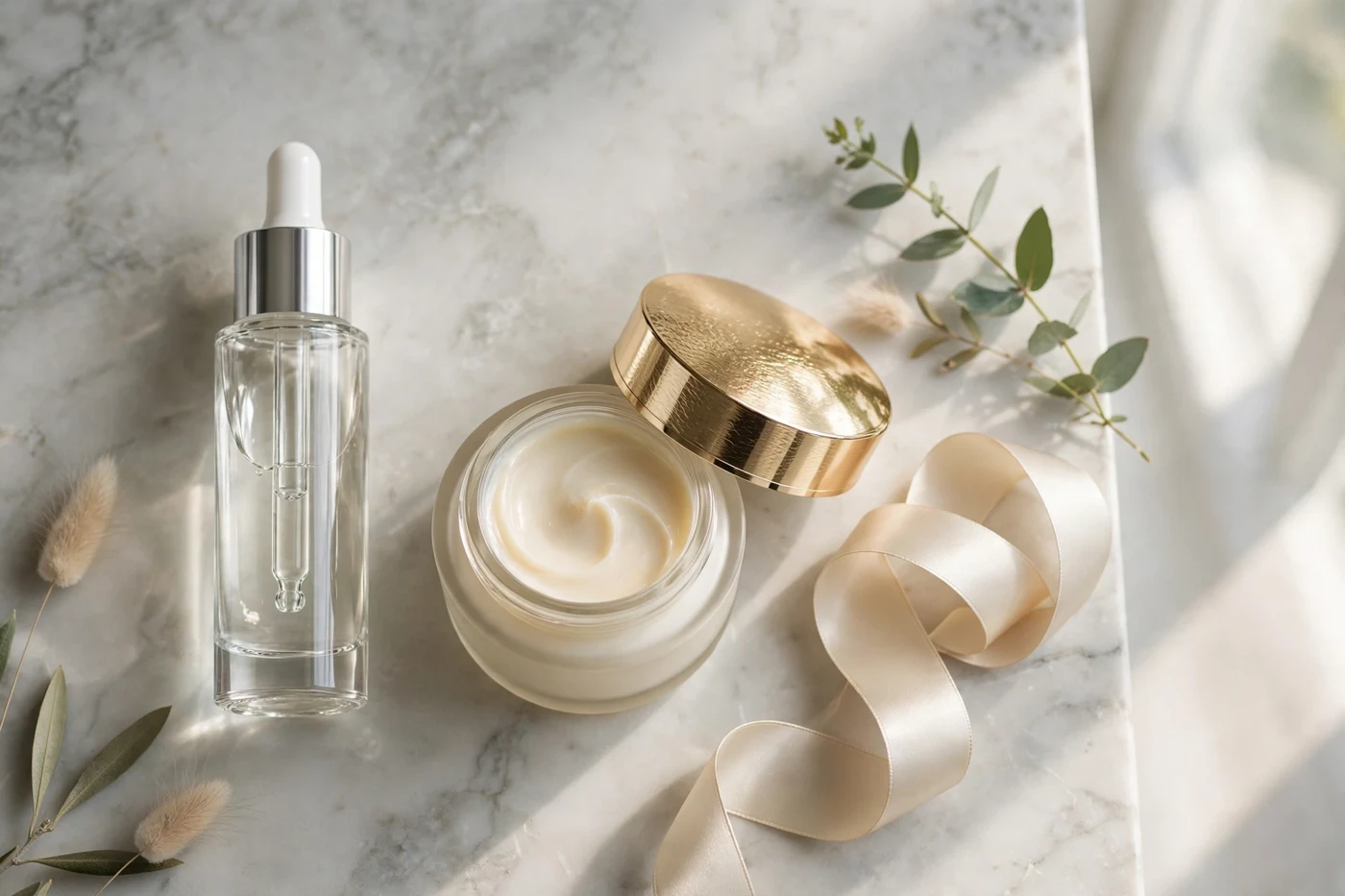
Luxury skincare is usually where premium beauty makes its strongest case. Skin is something you live with every day, and a product you apply morning and night has many chances to prove itself. Premium skincare often stands out in texture and formulation: serums that absorb without stickiness, moisturisers that hydrate without heaviness, and cleansers that clean thoroughly without stripping the skin. These are practical differences you can feel within days, not abstract promises.
That said, skincare is also the category where marketing most often outruns evidence. Words like miracle, revolutionary and age-defying should be treated with healthy scepticism, whatever the price. What matters is whether a product suits your skin type, whether it contains ingredients with established benefits for your concerns, and whether you enjoy using it enough to stay consistent. Consistency matters more than any single product: the best routine is the one you actually follow. If you are curious about the science behind product claims, our guide to beauty research explains how skincare science is tested and what to look for in the evidence.
Luxury Makeup and Fragrance
Luxury makeup earns its place differently from skincare. Here the value often lies in finish, wear and shade quality. A premium foundation may blend more seamlessly, a lipstick may wear more evenly, and an eyeshadow may apply with less fallout. For people who wear makeup daily, those small differences add up. But makeup is also deeply personal: a shade or formula that suits one person perfectly may not suit another at all, regardless of price. Trying before buying, where possible, matters more in makeup than in almost any other beauty category.
Fragrance is the most subjective luxury of all. A luxury fragrance is not simply a pleasant smell; it is a composition that develops over hours, with top, heart and base notes that change as it wears. Premium fragrances often use higher-quality raw materials and more complex blends, which can give them greater depth and longevity. Yet fragrance is also the category where personal taste dominates completely. No amount of prestige makes a scent right for you if you do not love wearing it. The luxury in fragrance is best understood as craftsmanship and longevity rather than status, and the right choice is the one you reach for again and again.
How to Judge Whether Luxury Beauty Is Worth It
A few practical questions help separate genuine value from mere expense. First, what does the product do that a cheaper alternative does not? If the answer is only packaging or brand name, the premium is hard to justify. If the answer is texture, performance, longevity or skin compatibility, the case is stronger. Second, how often will you use it? A daily skincare product justifies more spending than an occasional-use item. Third, does it replace something else, or simply add to an already full routine? Luxury products earn their place best when they simplify a routine rather than complicate it.
Fourth, consider the experience honestly. There is nothing wrong with buying beauty partly for pleasure. A beautiful object that makes a daily routine feel special has real value, provided you recognise it as pleasure rather than necessity. Problems arise mainly when pleasure spending is mistaken for essential spending, or when a product is bought for its image rather than its performance. Being clear with yourself about which reason is driving a purchase is one of the most useful habits in luxury beauty.
It also helps to understand the wider market. The UK beauty industry is large and varied, and premium products sit within a much broader landscape of high-street, pharmacy and independent brands. Our overview of beauty statistics in the UK gives a sense of that scale, while British beauty culture explores how attitudes to premium and everyday beauty have evolved. Luxury makes more sense when you see it as one part of that landscape rather than the whole of it.
Building a Luxury Beauty Routine Without Waste
The most satisfying luxury routines are usually small and deliberate rather than large and indiscriminate. A useful approach is to choose one or two categories where premium quality genuinely matters to you, such as a daily moisturiser or a signature fragrance, and keep the rest of your routine simpler. This focuses spending where you will notice it most and avoids the common trap of buying premium versions of everything at once.
Sampling is another wise habit. Many premium brands offer smaller sizes, discovery sets or samples, and these let you test a product over days or weeks before committing to a full size. Skin and fragrance both need time to reveal themselves: a cream that feels wonderful on first application may not suit you after a week, and a fragrance that charms in store may wear differently on your skin. Patience here saves both money and disappointment.
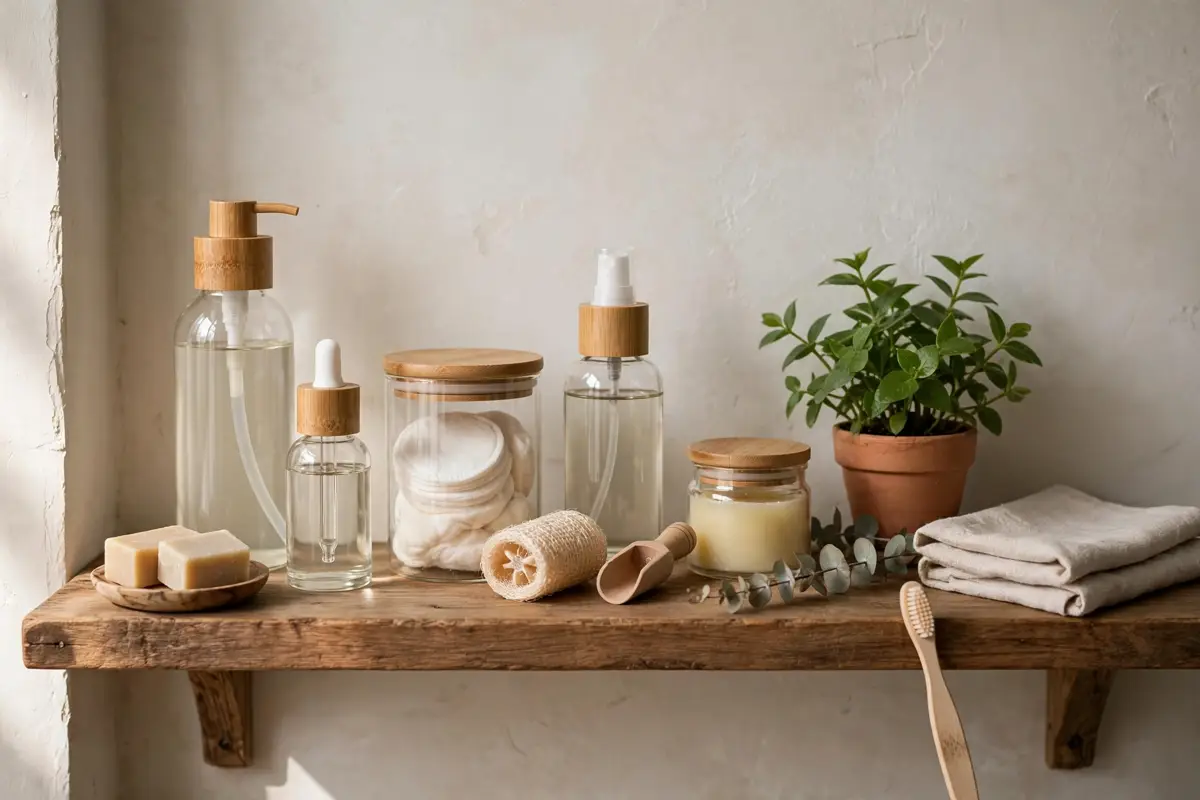
Finally, think about sustainability alongside luxury. Premium packaging can be beautiful but wasteful, and some luxury brands now offer refills or more considered packaging. If environmental impact matters to you, it is worth asking how a brand handles refills, recycling and ingredient sourcing. Our guide to sustainable beauty looks at how to balance quality with responsibility, and beauty trends in the UK shows how sustainability is reshaping even the premium end of the market.
Luxury Beauty Experiences and Lifestyle
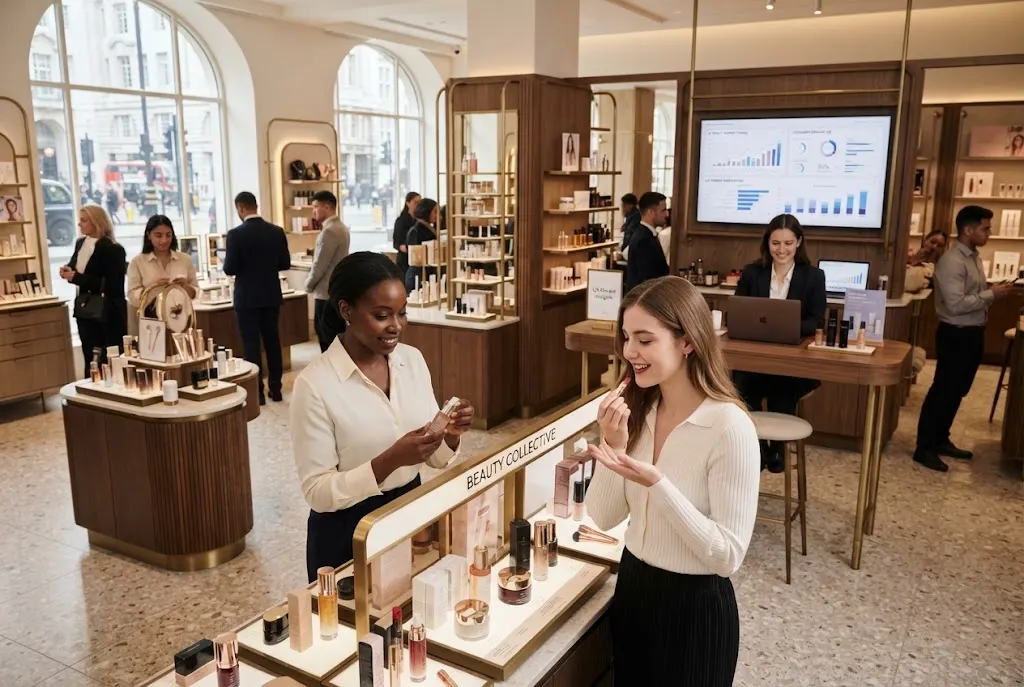
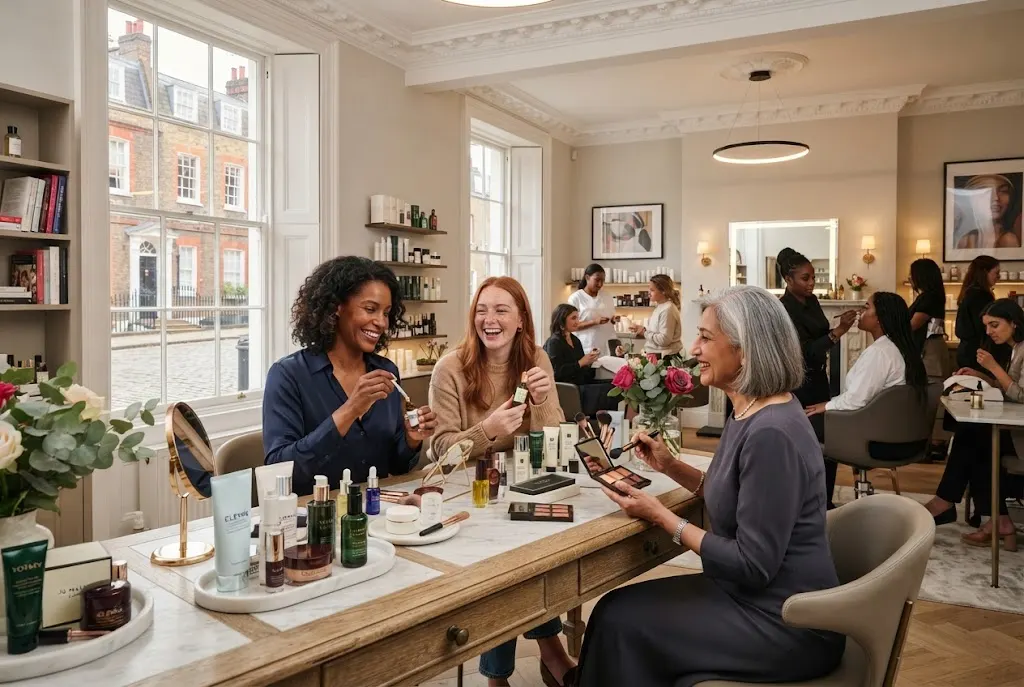
Beyond products, luxury beauty includes experiences: spa treatments, personal consultations, masterclasses and beautifully designed stores. These experiences can be genuinely enjoyable, and for special occasions they may be worth every penny. A skilled consultation, for example, can help you understand your skin or find shades that suit you far better than guessing alone. The value of an experience, though, lies in what you take away from it: knowledge, confidence or a routine that works better afterwards.
It is worth remembering that luxury beauty culture extends beyond any single city or island. Shoppers travel for it, read about it and compare notes across the country, and London beauty remains a useful reference point for how premium trends, salons and shopping experiences come together. Whatever your location, the principles are the same: judge products by performance, spend where you will notice the difference, and let pleasure be part of the decision without letting it be the whole decision.
The Honest Bottom Line on Luxury Beauty
Luxury beauty is worth it when the product performs better for you, feels better to use, lasts longer or teaches you something about your own routine. It is not worth it when the only difference is the box, the brand name or the price tag. The best luxury purchases are the ones you use to the last drop, repurchase without hesitation and recommend without embarrassment. Everything else, however beautiful, is decoration.
Approach premium beauty with curiosity rather than reverence: test products properly, read beyond the marketing, and build a routine around what genuinely works for your skin, your style and your budget. Done that way, luxury beauty stops being an indulgence you feel guilty about and becomes what it should be: a small number of excellent products, chosen well, that make everyday routines feel a little more considered and a little more enjoyable.